

Why Nepal’s Temples and Sacred Sites Hold Deep Spiritual Meaning
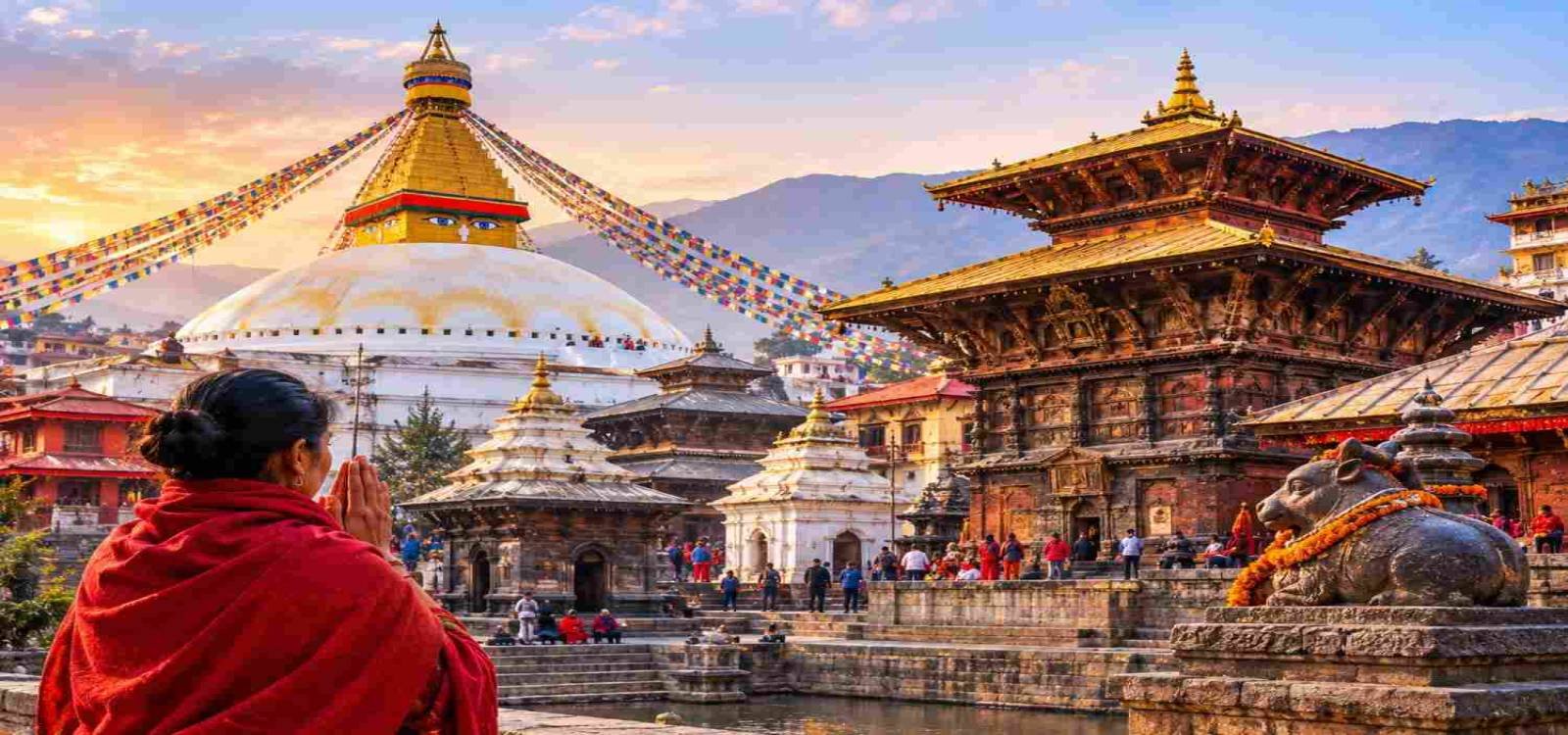
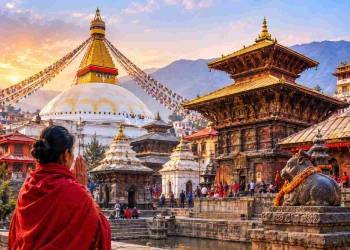
Walk into a Nepali temple courtyard at dawn, and you will get it within minutes.
Bells ring, marigold garlands pile up on the stone steps, and incense hangs low in the cool air. Nobody is in a hurry. For many Indian travellers, the holy places in Nepal feel both familiar and new, because the gods are the ones we grew up with, but the setting is the high Himalayas. This guide explains why these sites matter so much and how to visit them well.
Why the Himalayas Give Nepal’s Sacred Sites Such a Strong Spiritual Meaning
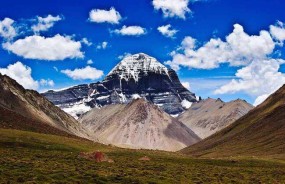
Hindu belief places the gods in the mountains. Shiva is said to live on Kailash, and the Himalayas themselves are treated as divine. Nepal sits right inside this landscape. So when a pilgrim visits one of the sacred places in Nepal, the journey is not only about reaching a temple. The river, the climb and the cold are all part of the prayer.
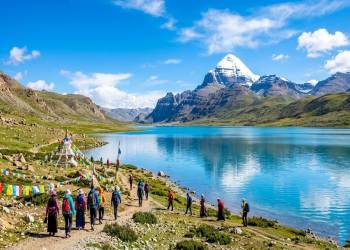
Many sites grew around springs, caves and river meeting points. Over centuries, kings, sages and ordinary families added shrines, and that long chain of devotion gives each place its weight. Kailash is the greatest example, and travellers who feel its pull often choose a Kailash Mansarovar Package that begins in Nepal.
Famous Temples and Sacred Sites Every Pilgrim Should Know About
Among the famous Hindu temples in Nepal, a few stand out for their age and the stories attached to them. The table below gives a quick picture.
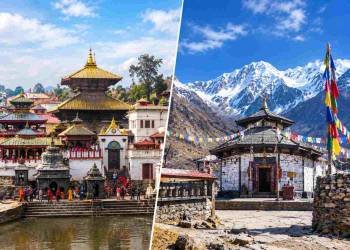
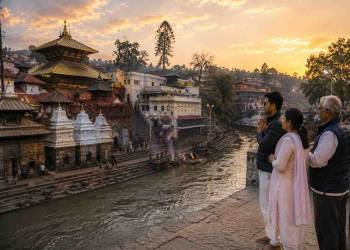
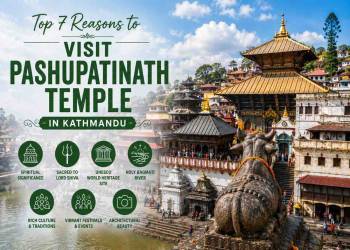
Pashupatinath is the heart of Shiva worship in Nepal. Only Hindus may enter the main temple, but anyone can watch the evening aarti from the opposite bank.
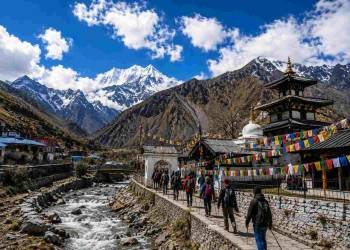
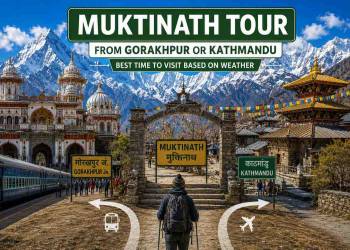
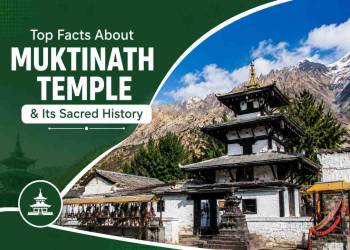
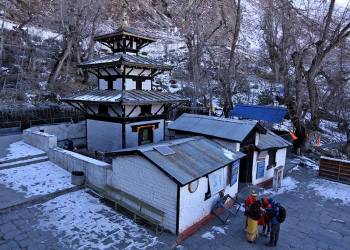
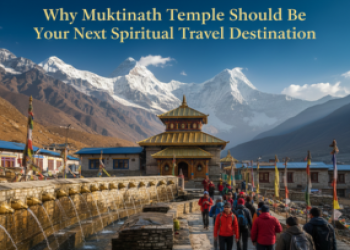
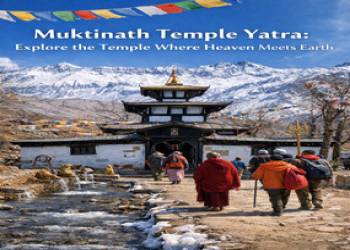
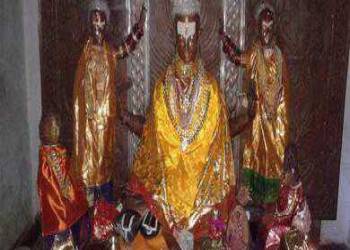
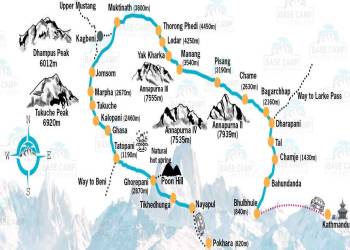
Muktinath sits at about 3,710 metres, and pilgrims believe bathing under its water from 108 spouts frees the soul from past burdens. Many pilgrims plan this stretch through a Muktinath Temple Tour Package that covers the darshan and the high-altitude stay.
You May Also Like: Most Famous Temples in Nepal You Must Visit (Complete Guide)
How Hindu and Buddhist Traditions Share the Same Sacred Spaces
Visitors are often surprised by how easily the two faiths mix. At Muktinath, Hindus honour Vishnu while Buddhists call the same place Chumig Gyatsa, the place of a hundred waters.
In Kathmandu, Hindu families light lamps at Buddhist stupas, and many Hindus regard the Buddha as an avatar of Vishnu. So a Nepal temple tour can easily move from a Hindu shrine in the morning to a monastery by afternoon, and nobody finds that odd.
Daily Rituals That Show How Deep Faith Runs in Nepali Life
Ritual here is not a show for visitors. It is part of an ordinary day, and you can join in respectfully.
Morning puja: locals offer flowers, rice and incense at temples and roadside shrines before work.
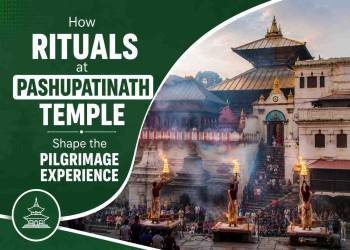
Evening aarti: lamps, bells and chanting fill the ghats, especially on the Bagmati at Pashupatinath. Those who book a Pashupatinath yatra package usually take part in both the puja and the aarti.
Stupa circuits: Buddhists walk clockwise, spinning prayer wheels and lighting butter lamps.
Tika and prasad: accept the blessing and the offering with your right hand.
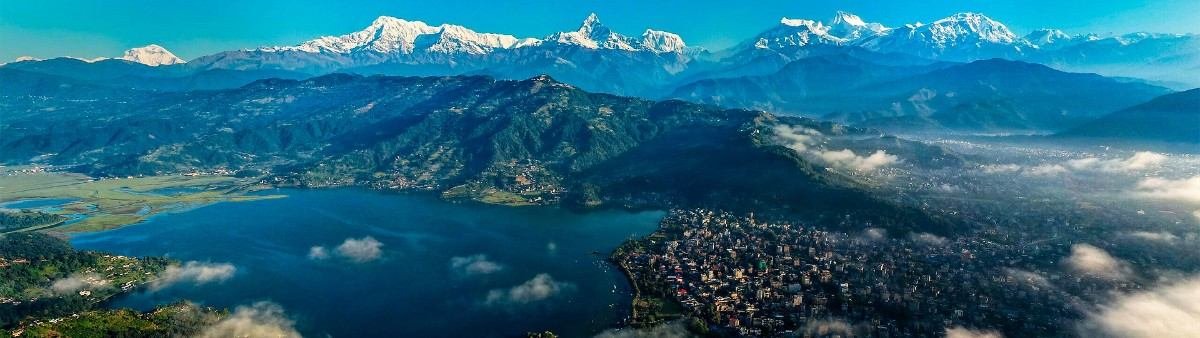
Quiet time: some travellers choose a spiritual retreat in Nepal, staying near Pokhara or Pharping, with morning yoga, meditation, simple meals and no phones.
Practical Tips and Temple Etiquette for First-Time Visitors
Good manners matter as much as good planning. Dress modestly, remove your shoes before entering, and ask before taking photos inside. Leather items are not welcome at some temples, and at stupas you should always walk clockwise. Most religious places in Nepal welcome visitors openly, though some inner sanctums are for devotees only.
Anyone booking a Nepal spiritual retreat should confirm the daily schedule early, since many centres follow fixed meditation hours. On a Nepal pilgrimage tour to high shrines, build in rest days.
October to November and March to May are the most comfortable months, with clear skies and mild weather. The monsoon brings heavy rain, though Mustang stays drier.
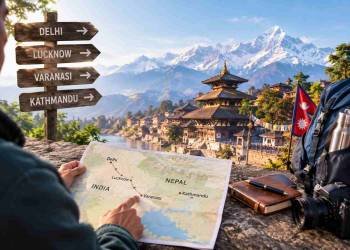
You May Also Like: Nepal Travel from India: Best Starting City Guid
How Nepal Tourism Package Helps You Explore Sacred Nepal
Choosing the best tour agency in Nepal means finding a travel partner who understands the region, its routes and the needs of pilgrims. At Nepal Tourism Package, we use our experience across the Himalayas to help travellers plan meaningful journeys with practical arrangements and personalised itineraries.
We organise pilgrimage tours to destinations such as Muktinath and Pashupatinath, as well as Kailash Mansarovar journeys via Nepal. Our services also include trekking, rafting, jungle safaris and other adventure holidays. We tailor itineraries to suit different travel preferences and schedules, with round-the-clock assistance to support travellers throughout their journey.
Whether you are planning a spiritual visit with family or exploring Nepal's cultural and natural attractions, we help you organise the trip around your interests and requirements.
Conclusion
Nepal’s temples matter because faith here is lived, not displayed. The mountains, rivers, shared Hindu and Buddhist traditions and daily rituals all combine to make each visit feel personal. Go with an open mind, a flexible plan and a little patience, and the places will do the rest.
Frequently Asked Questions about
Why Nepal’s Temples and Sacred Sites Hold Deep Spiritual Meaning