

Understand About History and Rituals of Pashupatinath Temple
Pashupatinath Temple is one of Nepal’s most popular Shiva temples. The temple’s origins are believed to date back to the 400CE (5th century), making it one of the oldest Hindu temples in Nepal.
This holy site is near the Bagmati River in Kathmandu and attracts thousands of pilgrims every year. People come to the temple to pray, do rituals and have a spiritual link with lord shiva. What is unique about this temple is the way in which the rituals become intrinsic to the experience of pilgrimage.
From early morning prayers to late evening aarti, every ritual is a serene and emotional experience for visitors. The bells ringing, temple chanting, incense, and diyas create a really spiritual environment. Pilgrims do not come here just for darshan. They come to experience faith, dedication and calm in the traditions that have been followed here for ages.
Why Pashupatinath Temple Is So Important for Devotees
The Pashupatinath Temple is devoted to Lord Shiva as Pashupati, the lord of all living creatures. It is one of the most sacred Hindu temples in Nepal, and it became a UNESCO World Heritage Site in 1979, recognised for its religious and cultural significance.
Many tourists visit to explore the Pashupatinath Temple history and its association with Hindu beliefs and Nepalese culture. The temple complex is full of little shrines, statues, temples and ghats where rituals are performed the whole day.
You might ask, Is Pashupatinath a jyotirlinga? Though it is not officially recognised among the twelve Jyotirlingas in India, many followers of Lord Shiva nevertheless consider it sacred due to its spiritual importance.
Morning Rituals Fill the Temple With Peace
The temple opens as early as 4:00 AM, when priests begin the first prayers and rituals of the day. The Mangla Aarti (morning aarti) usually starts around 5:00 AM, followed by other religious ceremonies throughout the morning.
One of the important rituals is Abhishekam; this is the purification of the Shiva Lingam with milk, water, honey and curd. Devotees wait for darshan and offer flowers, fruits, incense and prayers to Lord Shiva. The sight of the rituals offers the pilgrims a feeling of tranquillity and dedication.
If you are visiting the temple, confirm the Pashupatinath Temple timings beforehand, as different ceremonies are performed at different times of the day. Morning rituals are usually preferred by many pilgrims who want a quiet and spiritual experience.
You May Also Like: Top 7 Reasons to Visit Pashupatinath Temple in Kathmandu
Bagmati River Rituals Make Visitors Emotional
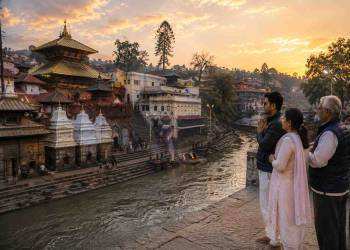
The Bagmati River beside the temple is also an important part of the pilgrimage. Funeral and cremation rituals are performed on the river ghats according to Hindu traditions.
For many visitors, seeing these rituals becomes an emotional experience. It reminds people about the cycle of life and the belief that the soul continues after death. Some pilgrims sit quietly near the river and watch the prayers and rituals while thinking about life and spirituality.
These ceremonies make Pashupatinath more than just a temple. The place teaches people about faith, life, and spiritual understanding.
Evening Aarti Creates a Beautiful Spiritual Experience
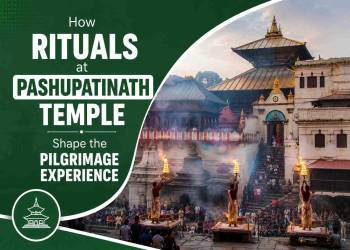
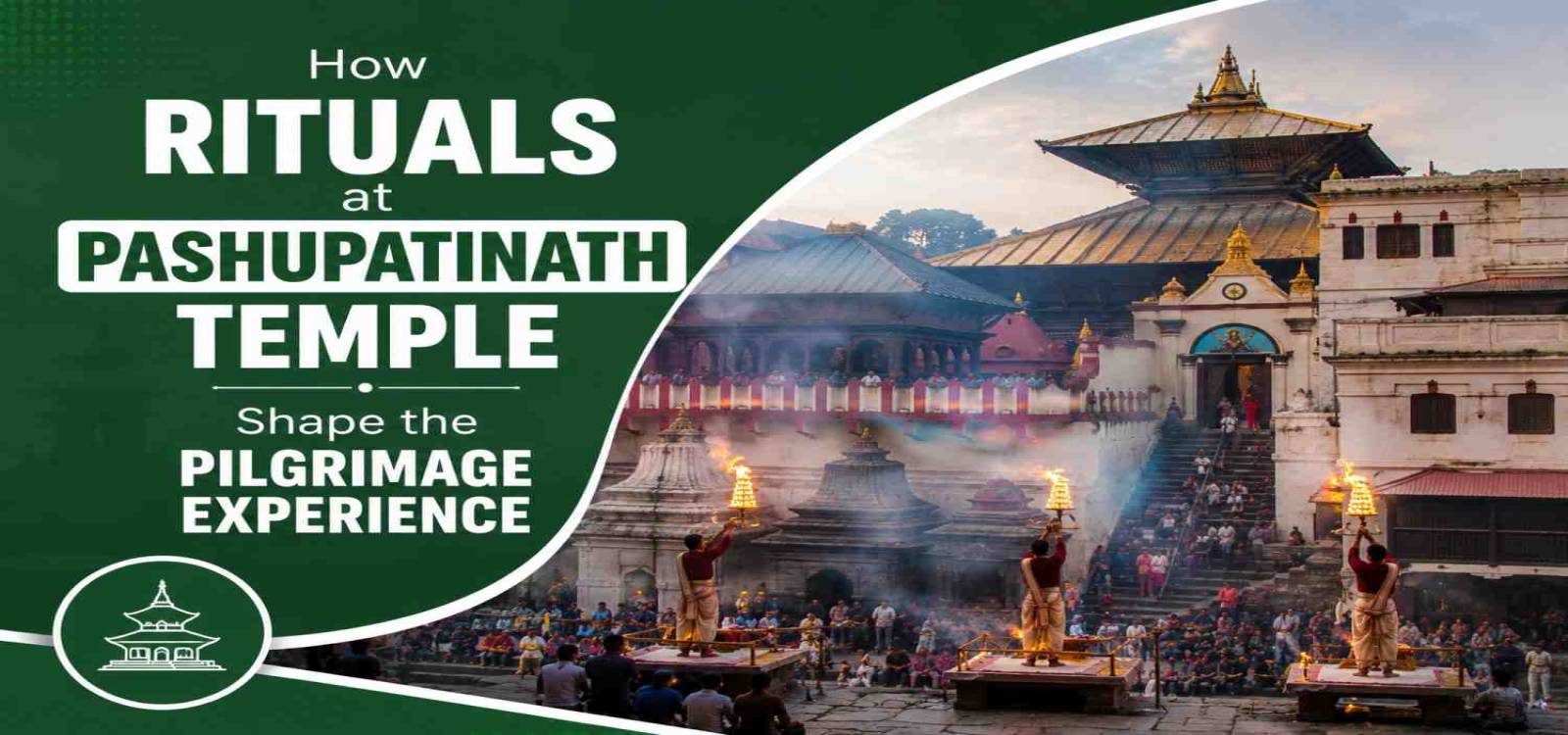
In the evening, the atmosphere near the temple changes completely. The famous evening Pashupatinath aarti usually begins around 6:00 PM to 7:00 PM, near the banks of the Bagmati River and attracts a large number of devotees and visitors every day. Priests perform the ceremony with oil lamps, incense, sacred fire, and devotional songs for Lord Shiva.
The sound of bells and chants fills the entire area and creates a powerful spiritual feeling. Many visitors say the evening aarti becomes the most memorable part of their Nepal trip.
You should check the Pashupatinath aarti time before visiting, as you might not want to miss this beautiful ritual. The glowing lamps near the river and the devotion of the crowd create an unforgettable experience.
Temple Traditions Help Pilgrims Feel Connected
Pashupatinath ceremonies are not just performed by priests. Pilgrims also participate by lighting diyas, offering flowers, chanting prayers and visiting neighbouring temples.
Many visitors wish to visit inside Pashupatinath Temple to observe the revered Shiva Lingam and temple architecture. Although the main sanctuary is not open to non-Hindus, the temple complex offers a very spiritual experience for everyone who attends.
The sadhus seated around the temple also contribute to the spiritual atmosphere. Many tourists are attracted by their basic way of life and commitment.
You May Also Like: Top 10 Key Things to Know Before a Kailash Mansarovar Yatra
Why Nepal Tourism Package Is the Best Choice for Your Pilgrimage
Nepal Tourism Package offers the best Pashupatinath tour package to make your pilgrimage smooth, peaceful, and comfortable. We have years of experience helping travellers explore Nepal’s famous religious destinations with proper guidance and support.
We arrange transportation, accommodation, sightseeing, temple visits, and travel assistance for pilgrims. Whether you are travelling with family, elderly members, or groups, we make sure your journey stays comfortable and well-managed.
As a trusted Nepal Travel Agency, we help travellers experience important rituals and spiritual sites without stress. Our carefully planned Pashupatinath yatra package is designed for devotees looking for a peaceful spiritual journey in Nepal.
Conclusion
The rituals of Pashupatinath Temple make the whole pilgrimage experience quite special. Morning prayers, Bagmati River rituals and evening aarti make pilgrims feel spiritually connected. The temple is way more than a place of worship. It is a place where individuals experience religion, calm, devotion and the spiritual traditions of Nepal on a very personal level.
Frequently Asked Questions about
Understand About History and Rituals of Pashupatinath Temple