

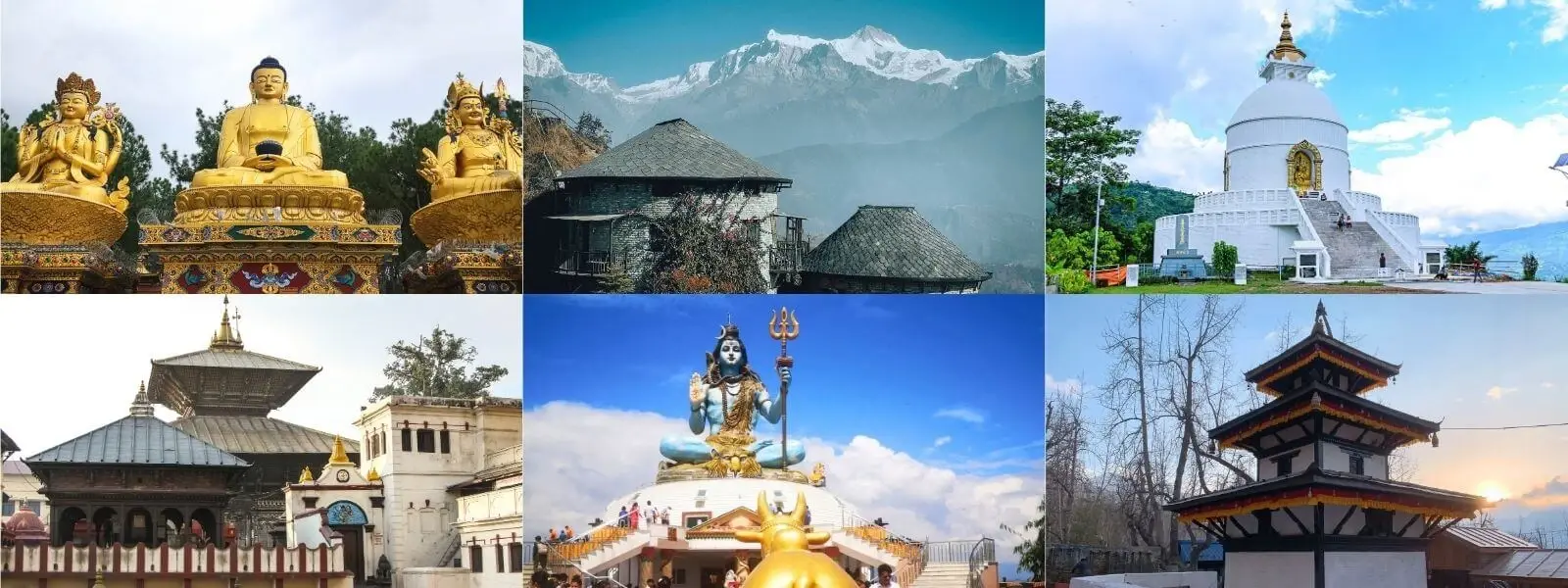
Muktinath Temple Yatra: Explore the Temple Where Heaven Meets Earth
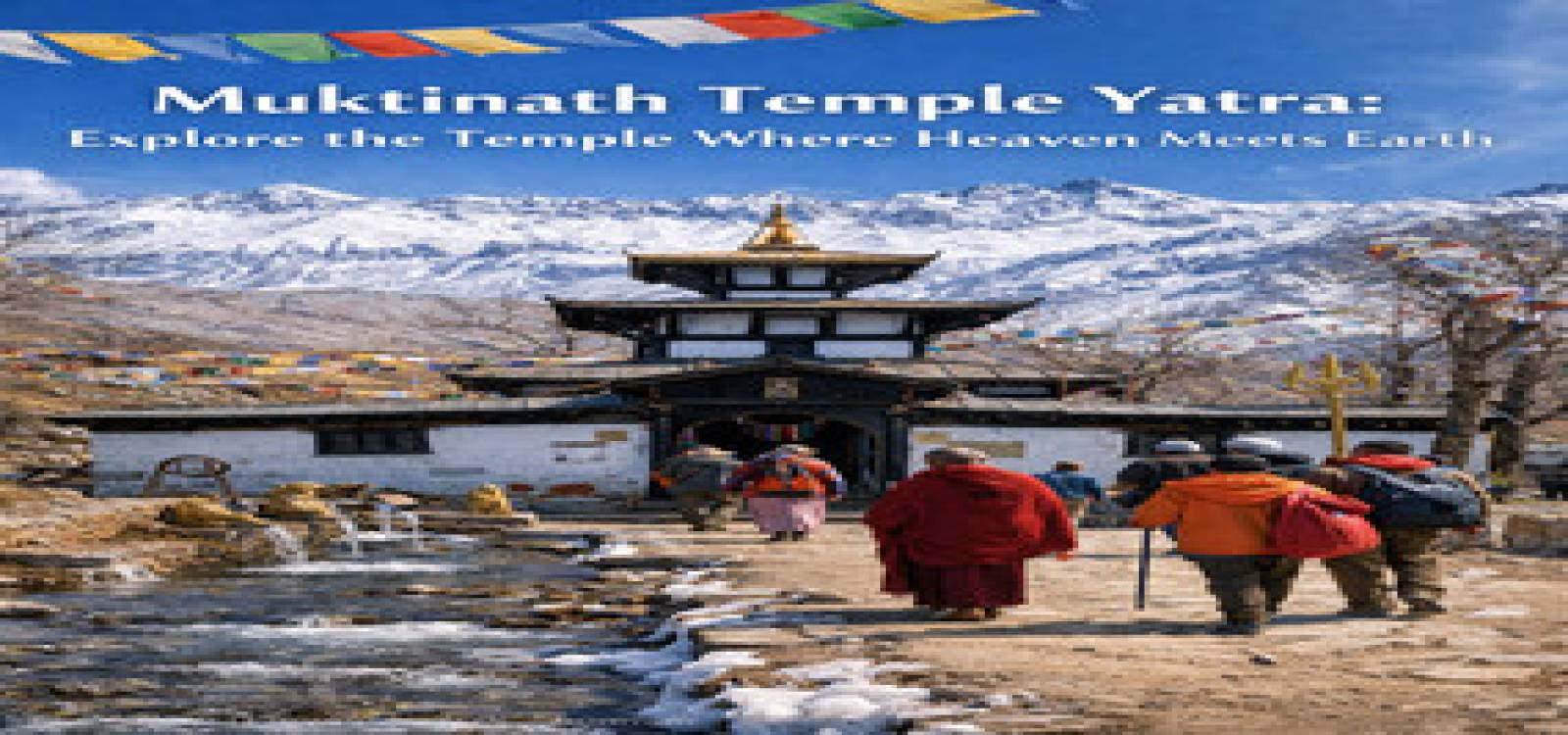
Plan your Muktinath Temple Yatra. Discover the 108 holy spouts, eternal flame, and tour packages to reach this sacred site of Moksha in Nepal.
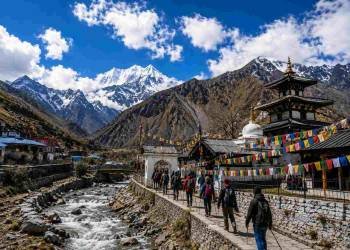
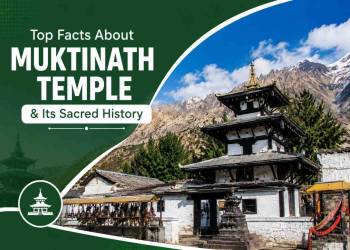
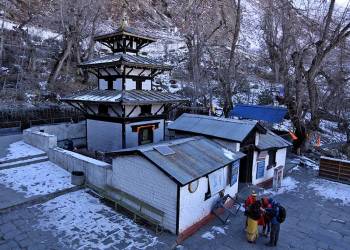
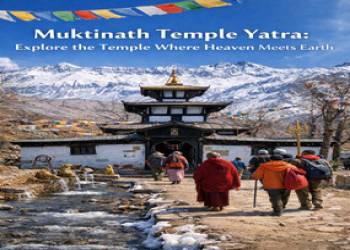
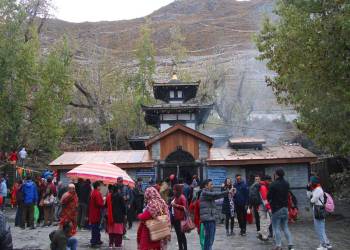
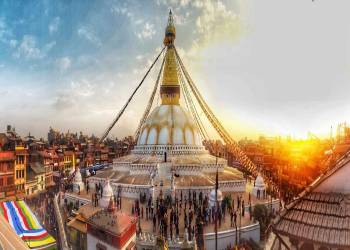
Muktinath Temple, one of the most sacred pilgrimage destinations in South Asia, is nestled high in the trans-Himalayan region of Mustang. This sacred shrine, situated at an elevation of nearly 3,800 meters, is believed to embody the confluence of salvation and existence itself, thereby bestowing it the eternal attribute of being the temple where heaven meets earth.
For ages, the Muktinath Yatra has continued to be pursued by people seeking liberation, freedom from troubles in the form of real inner peace, or just the blessings of the divine. Traversed famously by devotees under the names of either Mukti Dham Nepal, Muktinath Dham, or Muktidham Nepal, the place is extremely sacred to people.
The Holy Essence in Muktinath Temple, Nepal
The name "Muktinath" is formed from the words "Mukti" referring to "liberation" and "Nath" referring to "God."
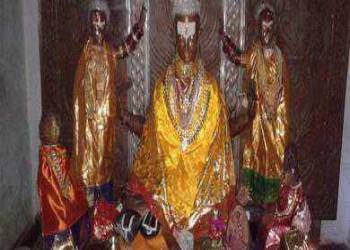
It is generally believed that a pilgrimage to "Nepal Muktinath" results in achieving "Moksha" – liberation from the cycle of life and death. It is the "108th Divya Desam" dedicated to Lord Vishnu," and is referred to as "Sri Mukti Narayan."
In Buddhism, the "Muktinath" temple is referred to as "Chumig Gyatsa," the "Hundred Waters”.
The spiritual potency of the temple is further enhanced by the presence of the four elements of nature: fire, water, air, and earth. The ever-burning fire that is close to a natural spring is a divine miracle that signifies the compatibility of nature and divinity, popularly known as the Jwala Mai temple.
Muktinath Temple History and Importance
The Muktinath Temple history is traced back thousands of years in scriptures like the Skanda Purana and the Vishnu Purana. The legend says that Lord Vishnu achieved liberation in this same spot after undergoing penance. This is why Muktinath Dham is known as a spot where one can achieve liberation.
Historically speaking, the region was also significant as an important point on the ancient routes linking Tibet and India. Over the years, the temple site transformed into a spiritual junction. Today, the historical significance of Muktinath temple is not only limited to mythology but also lies in its continued role as a living pilgrimage that transcends religious boundaries.
Spiritual Essence of Muktidham Nepal
Among the most revered traditions practised at Muktinath Temple Nepal is bathing under the 108 water spouts, also known as sin-removal. Followers of the temple also worship the eternal fire (Jwala Mai Temple), a rare phenomenon in which natural gases burn permanently alongside the flowing water.
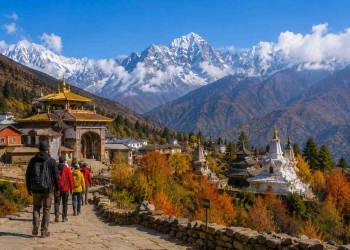
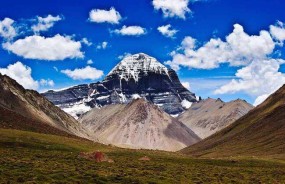
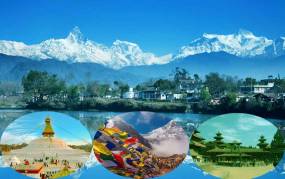
The bewildering landscape of Mustang, with its snow-clad mountains and fresh mountain air, imbues a sense of aloofness from the moods and phases of the material world and adds majesty to the religious journey known as ‘the yatra’.
Customised Muktinath Tour Packages by Nepal Tourism Package
Nepal Tourism Package offers tailored Muktinath Nepal Yatra options to suit different ages, fitness levels, and travel preferences. Each package balances spiritual fulfilment, comfort, and scenic experiences in the Himalayan region.
Muktinath Tour by Road (Jeep) – 6 Nights / 7 Days
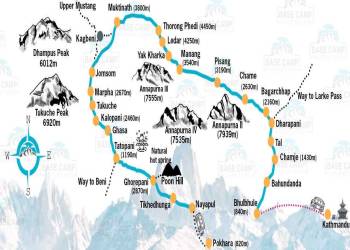
Ideal for devotees who prefer a classic pilgrimage experience with a steady pace. The journey starts from Kathmandu and covers Pokhara, Jomsom, Tatopani, and Muktinath, with private jeep transfers to the temple.
Key Highlights:
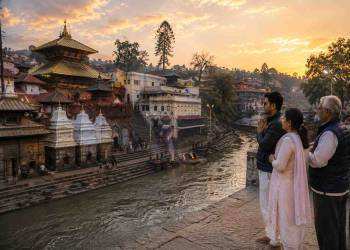
- Visit major temples: Pashupatinath, Manakamana, Muktinath
- Scenic Himalayan and Kali Gandaki river views
- Time for acclimatisation and spiritual reflection
- Comfortable stay in hotels and local lodges
Muktinath Yatra by Helicopter – 2 Nights / 3 Days
The fastest and most comfortable option for senior citizens, time-bound travellers, or those seeking minimal physical effort. Pilgrims enjoy aerial views of the Annapurna & Dhaulagiri ranges and direct access to the Muktinath Temple.
Key Highlights:
- Quick, hassle-free pilgrimage
- Ideal for those combining the trip with the Kailash Mansarovar tour package
- Minimal trekking and travel effort
- Maximum comfort with helicopter transfers and modern amenities
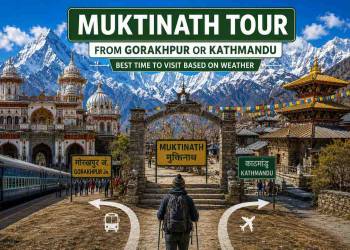
Muktinath Tour from Kathmandu (By Flight) – 5 Nights / 6 Days
Designed for international travellers arriving in Kathmandu, this itinerary blends road and flight travel. Fly from Kathmandu to Pokhara and Jomsom, then drive to Muktinath. Includes major religious landmarks along the way.
Key Highlights:
- Pilgrimage to Pashupatinath, Budhanilkantha, Swayambhunath
- Mountain flights over the Annapurna and Dhaulagiri ranges
- Scenic Pokhara sightseeing
Muktinath & Janakpur Tour
The Muktinath and Janakpur Tour offers a spiritually enriching journey through Nepal’s most sacred destinations. Muktinath Temple, located in the Annapurna region, is famous for its eternal flame and 108 holy water spouts symbolising liberation. Janakpur, the birthplace of Goddess Sita, is a cultural and spiritual hub known for the splendid Janaki Temple and Mithila heritage.
Key Highlights
- Sacred Muktinath Temple (108 water spouts & eternal flame)
- Janaki Temple at Janakpur – birthplace of Goddess Sita
- Scenic Himalayan views en route
- Blend of devotion, culture, and heritage
Also Read: Kailash Mansarovar Yatra by Helicopter: The Easiest Way to Reach Holy Kailash
Is Muktinath Yatra difficult?
Though the landscape is quite rugged and the elevation is high, the Muktinath Temple yatra has never been so easily accessible as it has become now. The presence of good roads, domestic flights, helicopters, as well as professionally handled yatra tours, has made it possible for devotees of all health conditions to easily undertake the yatra. Adequate acclimatising, proper clothing, and adherence to travel advisories are a must.
Why Choose Nepal Tourism Package for Your Muktinath Yatra?
Nepal Tourism Package is a well-established tour operator that provides secure and well-organised tour plans. All packages of Muktinath Yatra tours are developed with utmost emphasis on safety, comfort, and authenticity to help the pilgrims immerse themselves devotedly in their religious tour plans without having to worry about the other necessary arrangements.
Unlike any other Nepal travel agency that confines its operations to Nepal alone, Nepal Tourism Package operates as an India-based travel service to serve travellers from around the world. Whether you are looking for a culture tour, adventure tour, honeymoon tour, family tour, or religious tour, Nepal Tourism Package has offerings designed to suit different travel styles, timeframes, and budgets, ensuring a well-planned and seamless travel experience across diverse destinations.
Also Read: Perfect 7-Day Nepal Itinerary: Explore the Best of Kathmandu, Pokhara & the Himalayas
What makes Muktinath Dham Nepal a must-visit destination?
A trip to Muktinath Dham is not just about travelling; it’s a soul-awakening journey that offers you the perfect combination of spirituality, culture, and natural beauty that will leave you fascinated.
Along with taking a holy dip in the 108 water spouts, every moment in this holy place will fill you with centuries of bliss and divine energies. Amidst the presence of the majestic Himalayan ranges and beautiful valleys, this temple not only gives you spiritual enlightenment but also presents you with the most memorable journey of your lifetime. Want spiritual enlightenment or merely a sight of the breathtaking beauty of the Himalayas? The Muktidham temple trip will provide you with that!
FAQs
1. What is the history and historical significance of the Muktinath Temple?
Muktinath is an ancient pilgrimage site in Mustang, Nepal, sacred to Hindu Vaishnavas as the abode of Lord Vishnu and to Tibetan Buddhists, who associate it with Padmasambhava and Avalokiteśvara. According to popular Hindu belief, Lord Vishnu performed penance or purification at this sacred place to attain moksha (liberation) after a curse linked to the Brinda, Jalandhara legend. For this reason, Vishnu is worshipped here as Muktinath: the “Lord of Salvation.
2. Why is Muktinath Temple famous?
Muktinath Temple is revered for its association with spiritual liberation (moksha), its 108 sacred water outlets, and the rare natural phenomenon of an eternal flame, making it a place of deep cultural and spiritual importance.
3. What is the oxygen level in Muktinath Temple?
Its altitude of approximately 3,800 meters means that the oxygen is lower compared to what is found at sea level. Nonetheless, with proper acclimatisation, most of the devotees are able to handle the environment easily.
4. Is the journey to Muktinath Dham difficult?
Yes, the journey involves high-altitude terrain and rocky roads, which can be challenging. Trekkers face moderate trails with some steep sections, but jeeps, helicopters, and organised tours make it more accessible. Altitude precautions are advised for a safe pilgrimage.
Frequently Asked Questions about
Muktinath Temple Yatra: Explore the Temple Where Heaven Meets Earth