

Pashupatinath and Muktinath: How Different Are the Two Pilgrimage Experiences?
Ask any Indian pilgrim who has been to Nepal, and they will say Pashupatinath and Muktinath feel like two different journeys.
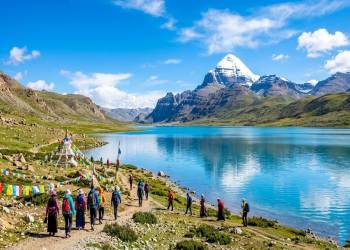
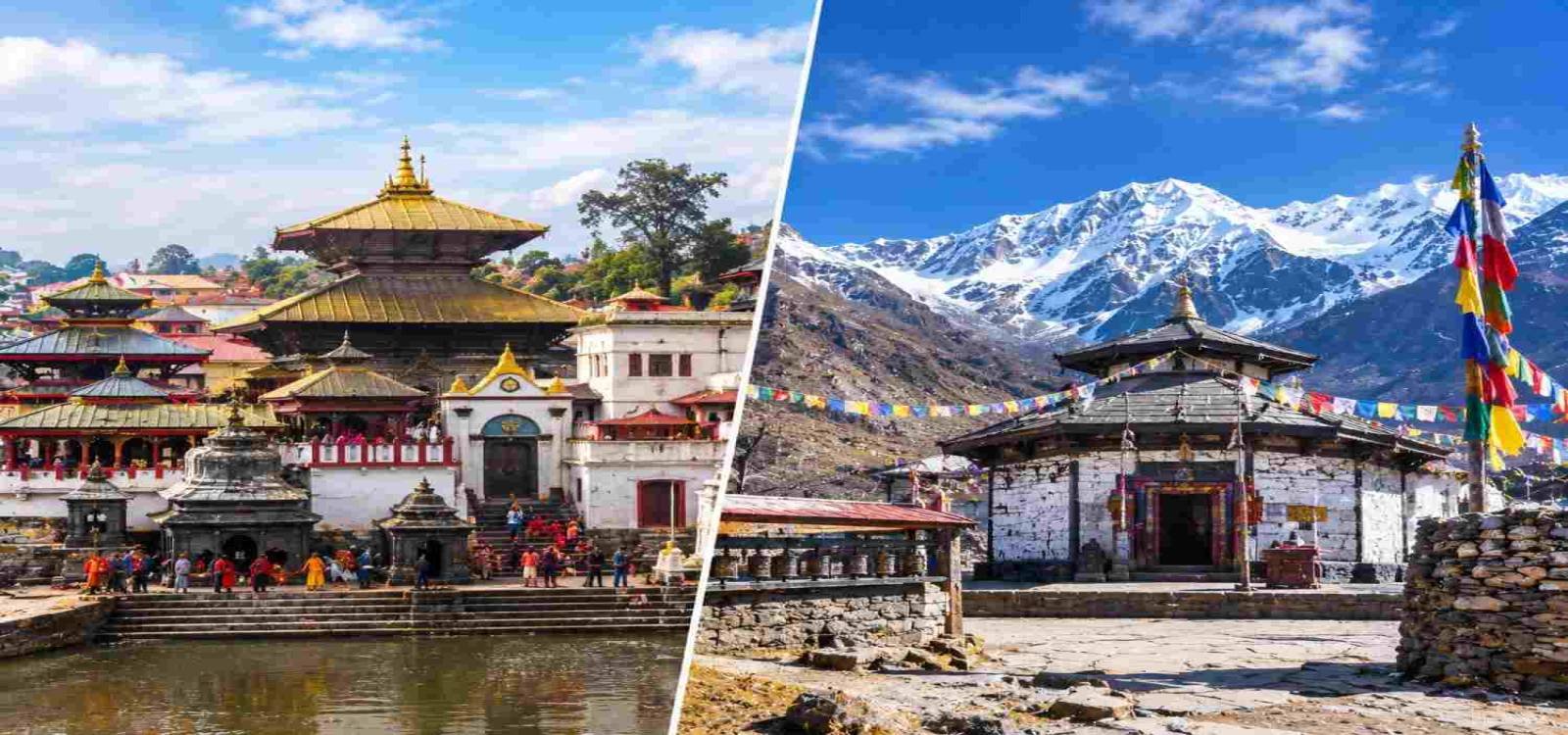
One sits inside a busy valley city, with bells, smoke and crowds along a riverbank. The other stands at about 3,710 metres in Mustang, where the air is thin, and prayer flags snap in the wind. Both are deeply sacred, yet they ask different things from you. Many families begin with a Nepal tour package that covers both, so it helps to know what each stop really feels like.
Why Both Temples Matter So Much to Hindu Pilgrims
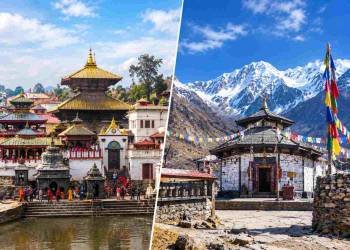
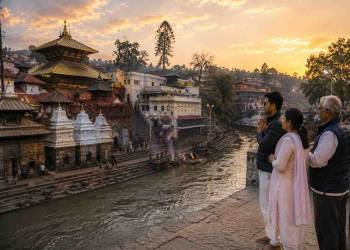
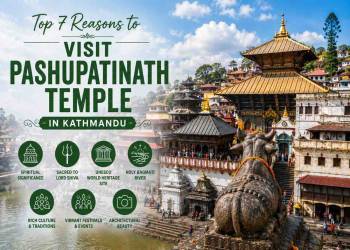
Pashupatinath is the great Shiva temple of Nepal. The deity is Pashupati, lord of all living beings, and the shrine stands on the Bagmati River under a gilded pagoda roof. The significance of Pashupatinath Temple lies in its long history, its four-faced lingam and its place among the most revered Shiva sites in South Asia.
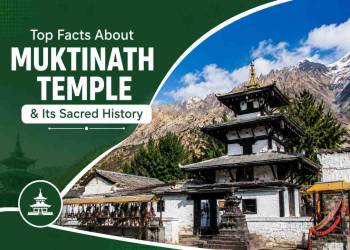
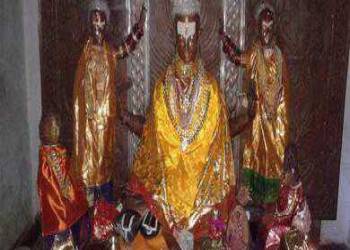
Muktinath belongs to lord Vishnu, worshipped here as Mukti Narayan, and Hindus believe a visit helps free the soul from rebirth. One place offers Shiva's blessing; the other promises moksha.
What You Experience at Pashupatinath Temple and Its Ghats
The main temple opens at 4 AM, and early morning is the calmest time to join the queue. Only Hindus may enter the main sanctum, while the ghats, gardens and smaller shrines are open to everyone. Travellers planning Pashupatinath darshan in Nepal usually go at dawn, carry a light shawl and avoid shorts and sleeveless tops, which the temple does not allow.
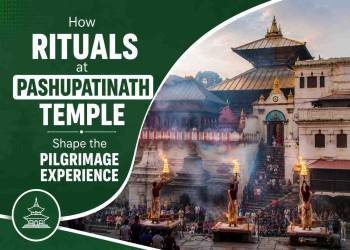
The riverside has its own rhythm. Priests perform puja, sadhus sit in saffron, and families conduct last rites at the cremation ghats. It can feel heavy at first. In the evening, the Bagmati ghats fill with lamps, chants and drums. Before visiting, check the latest Pashupatinath Temple aarti timings for the day, but the sandhya aarti usually begins around 6 PM in winter and 7 PM in other seasons.
Getting there is easy. Pashupatinath lies in eastern Kathmandu, a short drive from the Tribhuvan International Airport and most hotels. You can simply take a taxi or hotel car.
What You Experience at Muktinath in the Mountains
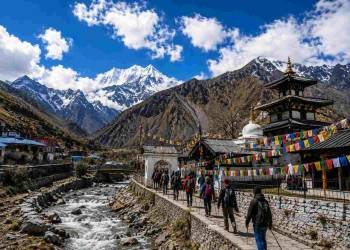
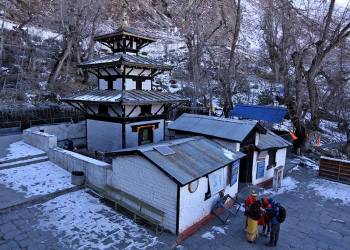
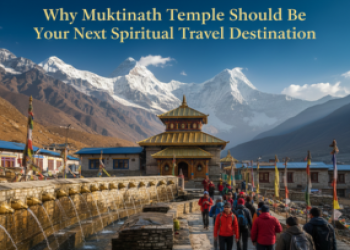
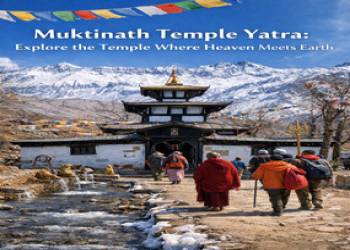
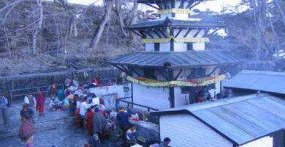
Muktinath asks for effort. The temple stands near Ranipauwa village at about 3,710 metres, and the last stretch is a short climb on stone steps, or a horse ride for those who need one. Inside, you will find the Vishnu temple, the Mukti Kund pools and a row of 108 water spouts. Pilgrims bathe under these spouts in icy water.
A small shrine called Jwala Mai holds a flame that burns beside spring water. The environment is quieter than at Pashupatinath, with fewer people, less noise and far more time to sit and pray. Many travellers book a Muktinath tour package so that flights and jeep transfers are handled for them.
How Far Muktinath Is from Pashupatinath and How to Get There
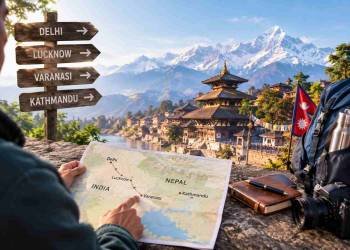
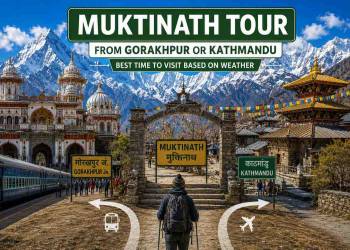
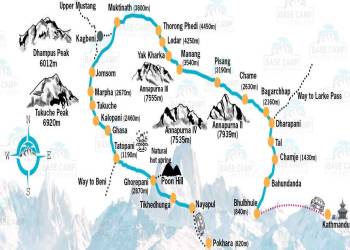
Most pilgrims see Pashupatinath first and then head west. The Pashupatinath to Muktinath distance is roughly 380 km by road, and nobody covers it in one go. A common plan is Kathmandu to Pokhara by road, about 200 km and six to seven hours, or a 30-minute flight. From Pokhara, the Jomsom flight takes about 20 minutes and mostly runs in the morning. From Jomsom, Muktinath is about 23 km further by jeep.
The Muktinath temple route by road passes through Beni, Tatopani, Ghasa, Marpha and Jomsom along the Kali Gandaki valley. It is scenic but bumpy, and bad weather can delay flights or block roads, so keep one spare day.
Pashupatinath and Muktinath Compared Side by Side
Which Pilgrimage Suits You and How to Prepare
If you want ritual energy and a close look at living Hindu tradition, Pashupatinath will satisfy you. If you want stillness and a sense of having earned your darshan, Muktinath does that. For Muktinath, elders should carry regular medicines, drink plenty of water, climb slowly and rest on arrival.
Why Travel with Nepal Tourism Package
Nepal Tourism Package has over four decades of experience organising pilgrimage, cultural and trekking journeys across Nepal, Tibet and the Himalayan region. We understand that a pilgrimage involves more than reaching a temple. Families also need comfortable transfers, practical schedules and support along the way.
With our Muktinath and Pashupatinath tour package options, we cater to pilgrims planning to visit either destination according to their travel preferences and spiritual interests. Our Muktinath tours include assistance with flight connections, jeep transfers and rest breaks, while our Pashupatinath tours focus on convenient temple visits and darshan arrangements.
We can also customise itineraries to include destinations such as Pokhara, Lumbini and Chitwan, depending on your schedule. With round-the-clock assistance and flexible travel plans, we help families organise their pilgrimage with greater comfort and peace of mind.
Summary
Pashupatinath and Muktinath offer two distinct pilgrimage experiences in Nepal. One draws you into the rituals, history and daily devotion of Kathmandu, while the other takes you into the mountains for a quieter journey centred on faith and liberation. Visiting both gives you a broader understanding of Nepal's spiritual heritage. With suitable planning, comfortable transfers and enough time to rest, you can make the most of both darshans without rushing through either experience.
Frequently Asked Questions about
Pashupatinath and Muktinath: How Different Are the Two Pilgrimage Experiences?