

Kailash Mansarovar Yatra Through Nepal and What Indian Travellers Should Know
Compare every Kailash Mansarovar yatra route from Nepal: road, flight and helicopter, Purang and Lhasa. See days, entry points and who each suits best.
Planning a Kailash Mansarovar Yatra can feel confusing at first. Nepal remains a popular gateway for Indian pilgrims because it offers several routes and the operator handles most of the paperwork. The right choice depends on your health, the days you can spare and how much walking you can manage. Here is a simple guide to the four main routes.
What Indian Pilgrims Must Carry and Arrange Before Leaving
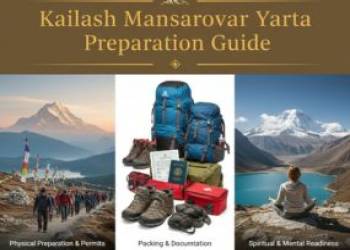
Indian citizens do not need a Nepal visa, but you must show a valid passport or Voter ID card for the flight to Kathmandu. Aadhaar and driving licence are not accepted. The Chinese group visa is processed at the embassy in New Delhi and takes four to five working days, so your operator needs your original passport early.
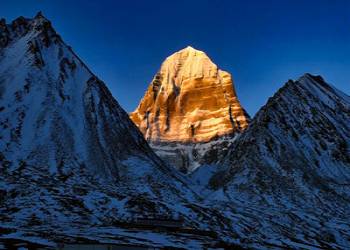
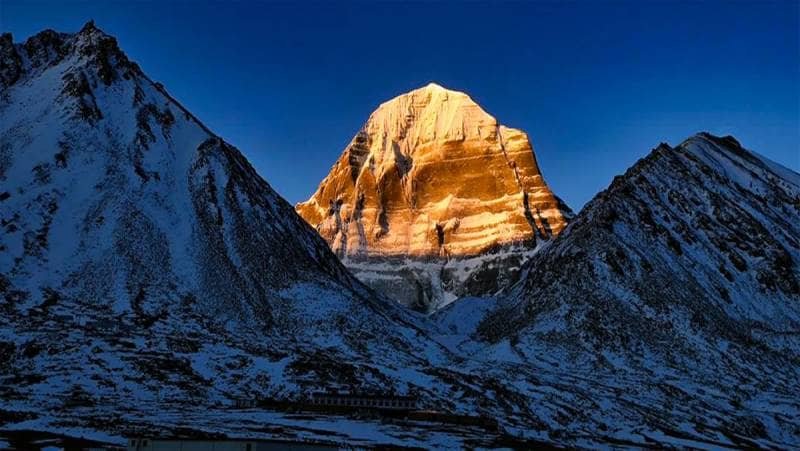
Pilgrims aged 70 or above also need a government hospital fitness report issued within six months. The Kailash altitude is 6,638 metres, and even the walking trail stays well above 4,500 metres, so health checks matter.
Road Journey from Kathmandu through Kerung for Slow Acclimatisation
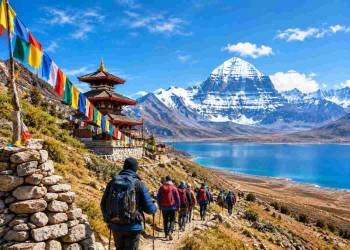
This is the classic overland plan, usually 13 days and 12 nights. You drive from Kathmandu to the Nepal-China border, enter Tibet through Kerung, then continue to Saga, Lake Mansarovar and Darchen.
Pilgrims who like to feel the land change gradually often choose Kailash Mansarovar by Road. The exact border point depends on Chinese approval for the season.
Flight and Helicopter Trip through Nepalgunj, Simikot and Hilsa
This is the quickest Nepal option, usually 11 days and 10 nights. After Pashupatinath darshan in Kathmandu, you fly to Nepalgunj and then to Simikot. A short helicopter ride takes you to Hilsa on the border, and from there you drive to Taklakot.
Weather decides everything in the Simikot and Hilsa sector, so keep one spare day before your flight home. Once in Tibet, you still walk the full circuit, and the Kailash parikrama distance of about 52 km is the same on every route.
You May Also Like: Kailash Mansarovar Yatra Booking and Cost: 2027 & 2028 Guide
New Purang Route for Shorter Trips
Purang is the Chinese name for Taklakot, the first Tibetan town you reach after Hilsa. Some operators now build shorter plans around it, with a night or two at Purang before moving on to Lake Mansarovar and Mount Kailash.
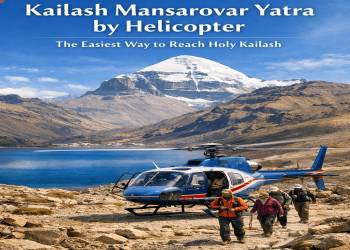
Several Kailash Mansarovar Yatra by Helicopter packages follow this pattern, and a few cut the trip down to five days. Always check whether the full Kailash kora is included.
Kailash Mansarovar Yatra via Lhasa Route
This depends on the Chinese visa and group permit rules at the time of travel. You fly from Kathmandu to Lhasa, which sits at 3,700 metres, then drive through Shigatse and Saga to Lake Mansarovar and Darchen. The trip takes about 16 days and 15 nights.
It adds the Potala Palace and Jokhang Temple, and those early days help your body adjust, since the altitude of Kailash Mansarovar is around 4,590 metres at the lake.
Quick Comparison of the Four Routes
|
Route |
Usual Duration |
Entry Into Tibet |
Best For |
|
Road from Kathmandu |
13 days |
Kerung border |
Slow acclimatisation |
|
Flight and helicopter |
11 days |
Hilsa to Taklakot |
Limited leave |
|
Purang-based plan |
Varies by plan |
Lhasa to Purang |
Shorter trips via Kathmandu and Lhasa |
|
Lhasa route |
16 days |
Flight to Lhasa |
Sightseeing and culture |
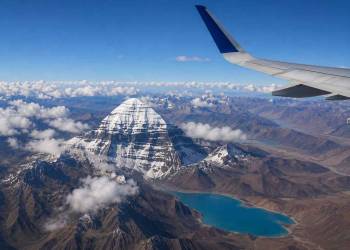
There is also a gentler choice for pilgrims who cannot walk at all. Kailash Mansarovar Aerial Darshan by Flight gives a view of the mountain without any trekking.
Parikrama Facts Every Pilgrim Should Know Before Booking
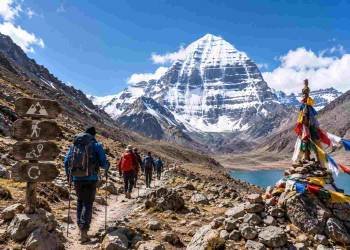
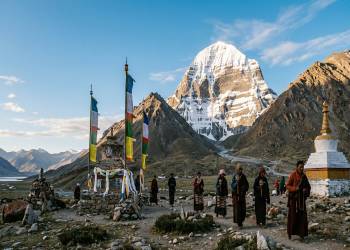
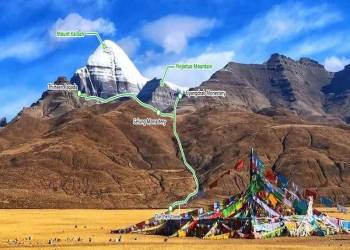
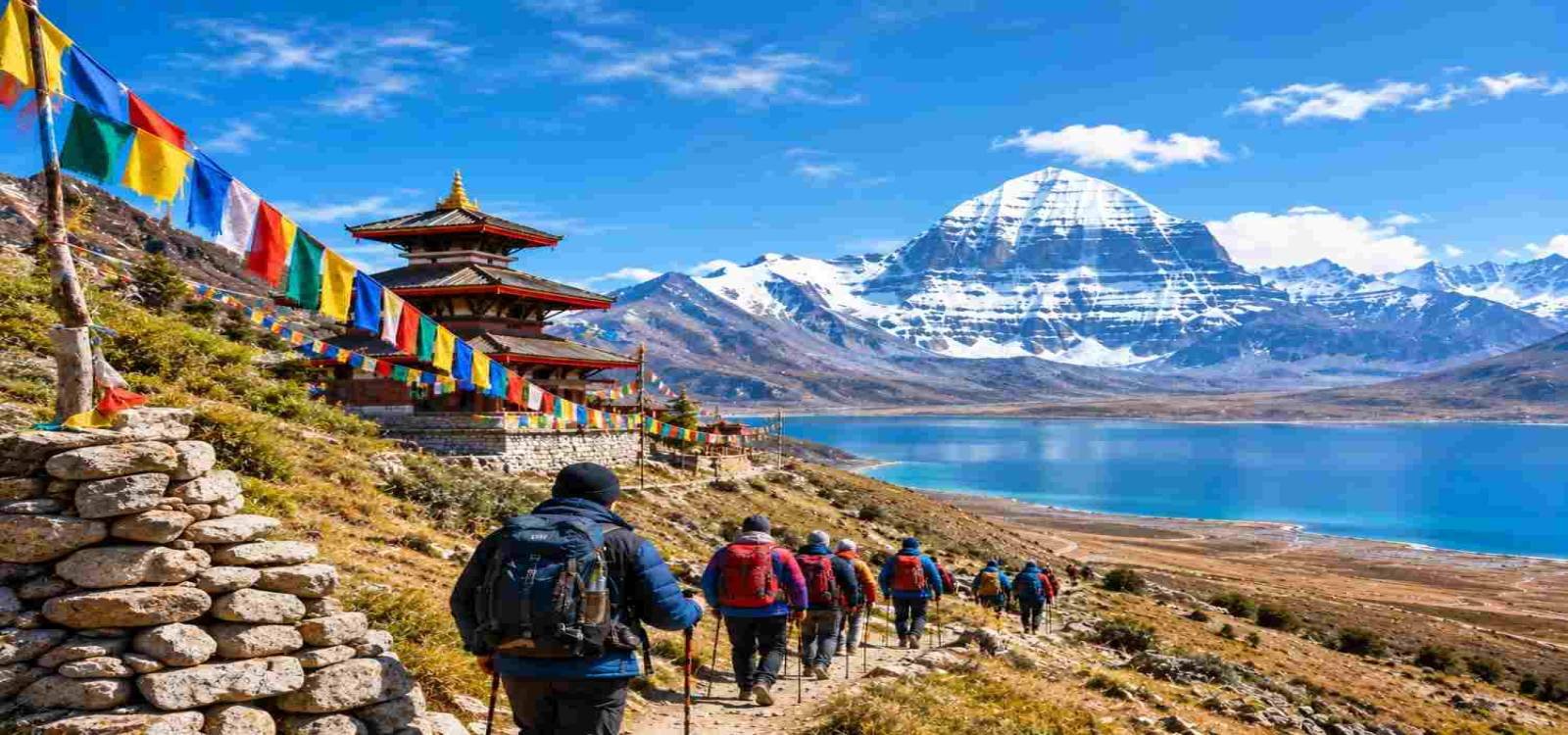
The Kailash parikrama route begins at Yama Dwar near Tarboche, reaches Dirapuk on day one, crosses Dolma La to Zuthulpuk on day two and returns to Darchen on day three. Day two is the hardest, with a long climb to the pass and a rocky descent.
Ponies and porters are available at Darchen for the Kailash parikrama trek, though availability depends on the local union. Pilgrims who prefer not to walk can rest in Darchen while the group completes the circuit.
Between May and September, daytime temperatures are around 5 to 22°C, and nights drop close to freezing. Carry a down jacket, gloves and sturdy shoes. Tibetan authorities now restrict bathing inside Lake Mansarovar, so Sherpas bring lake water in a bucket instead.
You May Also Like: Mount Kailash Parikrama Distance, Route & Weather Guide
Why Pilgrims Trust Nepal Tourism Package for Kailash Yatra
Nepal Tour Package helps Indian pilgrims plan their Kailash Mansarovar Yatra with practical travel support and guidance. We help organise permits, route arrangements and group departures, so you can focus on preparing for the pilgrimage rather than managing every detail yourself.
Our team works across Nepal, Tibet and China to support travellers throughout the journey. We also offer Muktinath and Pashupatinath pilgrimage packages for those wishing to visit other sacred destinations. With our experience in Himalayan travel, we aim to make your yatra easier to plan and better organised.
Conclusion
Pick the road for slow acclimatisation, the flight and helicopter plan when leave is short, the Purang plan for the shortest trip and the Lhasa route for culture or a direct China start. Whatever you choose, get a medical check, because the Kailash parikrama altitude crosses 5,600 metres at Dolma La, and keep a spare day in hand.
Frequently Asked Questions about
Kailash Mansarovar Yatra Through Nepal and What Indian Travellers Should Know