

How Difficult Is the Kailash Parikrama? Fitness, Altitude, Distance & Route
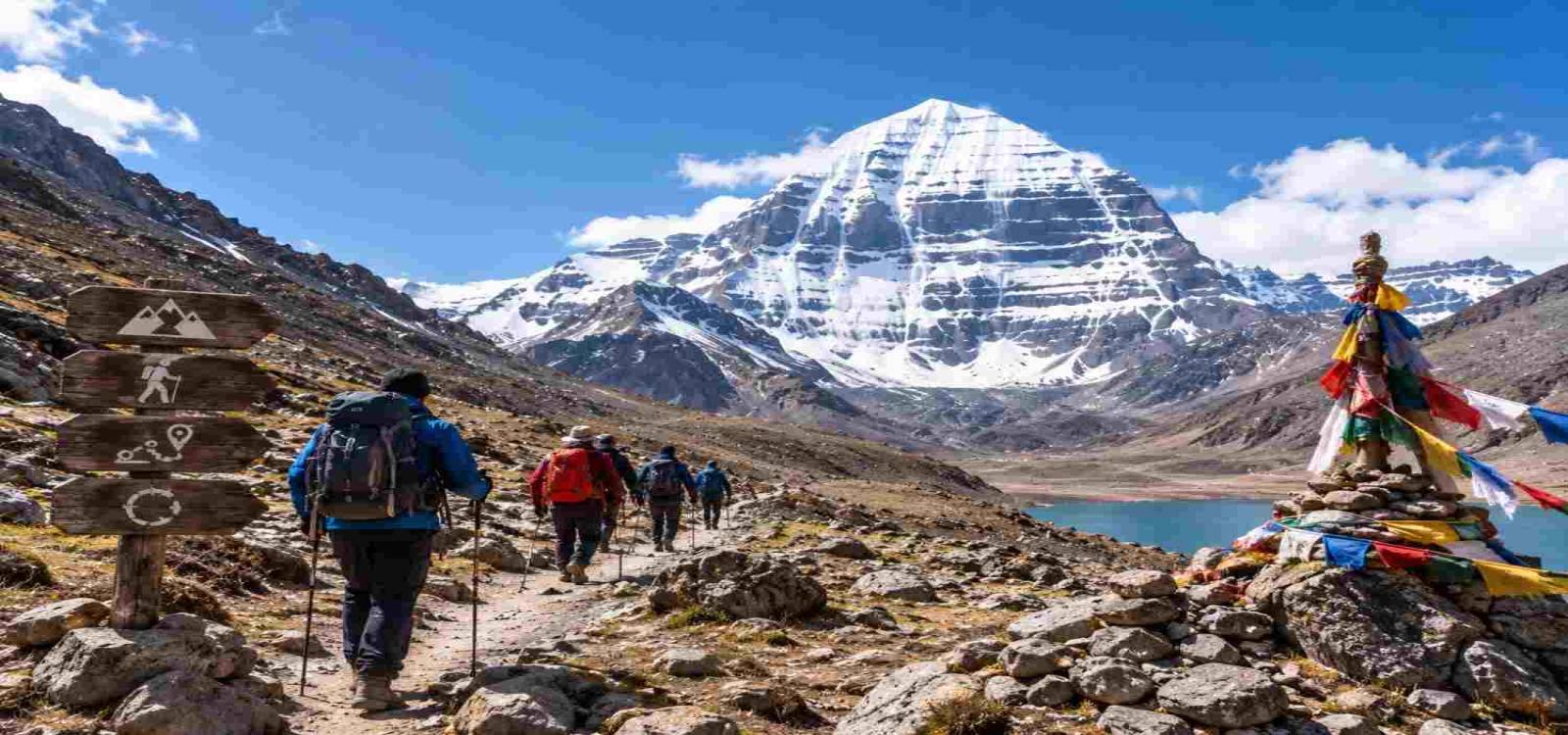
The altitude of Kailash Mansarovar reaches over 4,590 metres, with the parikrama climbing higher still. See the route, distance and prep tips here.
Every year, thousands of pilgrims and trekkers set their sights on the sacred circuit around Mount Kailash, and almost all of them ask the same question before booking: how tough is it really? The honest answer is that it is not a walk in the park, but it is also not reserved for elite mountaineers. Ordinary people with reasonable fitness, sensible planning, and a bit of patience complete it each season, often surprising even themselves.
What matters most is understanding the Kailash Parikrama distance, the thin air you will breathe, the ground beneath your feet, and preparing your body sensibly well before you leave home. This guide walks you through all of that in plain, simple language, so you know exactly what to expect and what you are signing up for before you book.
What Makes Up the Kailash Parikrama and Why the Distance Matters
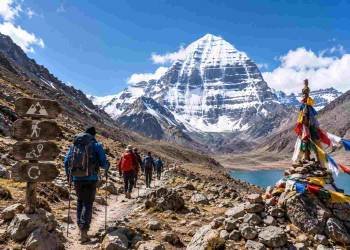
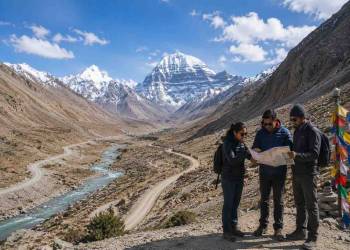
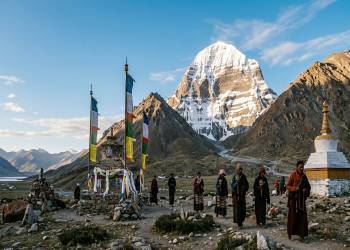
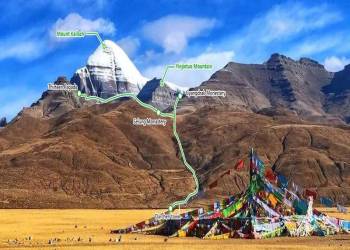
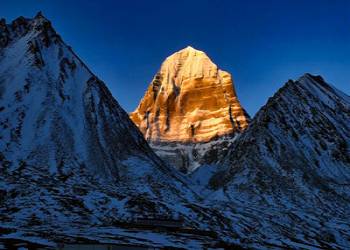
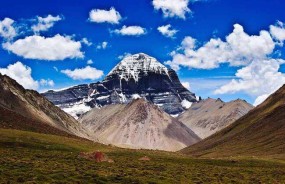
The parikrama, or holy circuit, takes pilgrims around the base of Mount Kailash over roughly three days. The Mount Kailash parikrama distance works out to about 52 kilometres in total, walked in stages rather than one long stretch. Some sections are gentle and flat, following the Lha Chu valley, while others climb sharply on the second day.
Because the walking is spread across three days with overnight stops, the daily distance is manageable for most people who can walk five to seven hours at a steady pace. It is the terrain and thin air, not the distance alone, that make this trek demanding.
Getting to Grips With the Altitude on This Trek
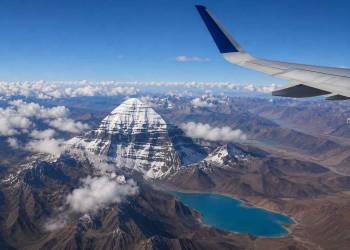
This is where the real challenge lies. The altitude of Kailash Mansarovar sits at around 4,590 metres, and the parikrama route climbs much higher from there. The Kailash parikrama altitude ranges between 4,600 metres near Darchen and about 5,630 metres at Dolma La Pass, the highest point of the journey.
At this height, the air holds noticeably less oxygen, and even fit people can feel breathless doing simple tasks like tying a shoelace. The Kailash altitude is the single biggest factor behind why some travellers struggle, more than fitness or age. Spending a day or two acclimatising in Lhasa beforehand genuinely helps the body adjust.
You May Also Like: Kailash Mansarovar Altitude Sickness: Symptoms & Prevention
A Simple Day-by-Day Look at the Kailash Parikrama Route
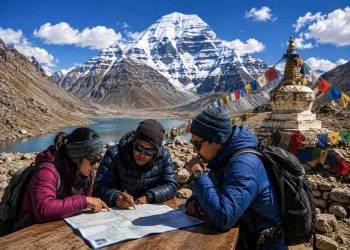
Understanding the Kailash Parikrama route in stages makes the whole trip feel less daunting. Here is a rough outline of how the three days typically unfold.
Ponies and porters are usually available on this route for those who need assistance, so nobody needs to push through pain on day two, by far the hardest stretch of the entire Kailash Parikrama trek.
What the Weather Around Mount Kailash Is Actually Like
The weather may make this trek much harder than anticipated by those undertaking it. Mount Kailash weather is quite unpredictable from May to September, as the mornings are sunny while the afternoons are cold and windy.
Snow can be expected even during the summer on the Dolma La Pass, and the nights can be freezing no matter what the season is. It would be wise to bring enough layers along with wind-resistant jackets and warm gloves. The weather changes very fast above 5,000 meters, so checking the weather forecast before embarking on this trek is a good idea.
How Fit Do You Actually Need to Be for This
You do not need to be an athlete, but you should not start from zero fitness either. Anyone with a reasonably active lifestyle who can walk continuously for a few hours without major discomfort is generally in a good position to attempt this trek.
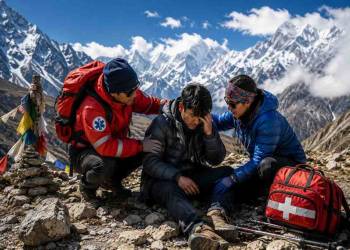
Patients with heart disease, high blood pressure that is out of control, or other serious problems involving the respiratory system should talk to a physician before embarking on a trip to high altitude since high altitude puts real strain on the cardiovascular system.
Age matters less than overall health; fit pilgrims in their sixties often manage well, while some younger travellers who skipped preparation have struggled badly. Those who would rather avoid the walking due to health or time constraints can look into a Kailash Mansarovar Yatra By Helicopter option instead.
Practical Ways to Prepare Your Body Before You Go
Preparation does not need to be complicated, but it does need to start early, ideally two to three months before departure.
Alongside physical training, carrying a basic medical kit, staying well hydrated, and avoiding alcohol in the days leading up to the trek all make a noticeable difference on the mountain.
You May Also Like: Kailash Mansarovar Yatra Booking and Cost: 2027 & 2028 Guide
Why Nepal Tourism Package is the Best Option for Your Kailash Journey
Nepal Tourism Package have organised journeys across Nepal, Tibet, and India for more than three decades. Pilgrimage journeys to Kailash Mansarovar and Muktinath sit at the heart of what we do every year.
This is not just another holiday for our guests; it is often a once-in-a-lifetime spiritual journey, and we treat it that way. Our team builds itineraries around proper acclimatisation, comfortable arrangements, and honest guidance on fitness and packing, rather than rushing groups for the sake of a schedule.
We also put together thoughtful Nepal Tour Packages for family groups who want gentler sightseeing alongside pilgrimage, so grandparents, parents, and children can all take something meaningful home from the journey.
Summary
The Kailash Parikrama asks a fair bit of your body, particularly your lungs and legs, but it rewards that effort with an experience unlike any other. With sensible preparation, realistic expectations about the altitude and weather, and the right travel partner by your side, this sacred circuit is well within reach for most determined travellers.
If you are still weighing up your options, browsing a well-planned Kailash Mansarovar Yatra Package is a good place to start, so you can see exactly what the journey involves before committing.
Frequently Asked Questions about
How Difficult Is the Kailash Parikrama? Fitness, Altitude, Distance & Route