

Kailash Mansarovar Aerial Darshan: What Can You Actually See From Above?
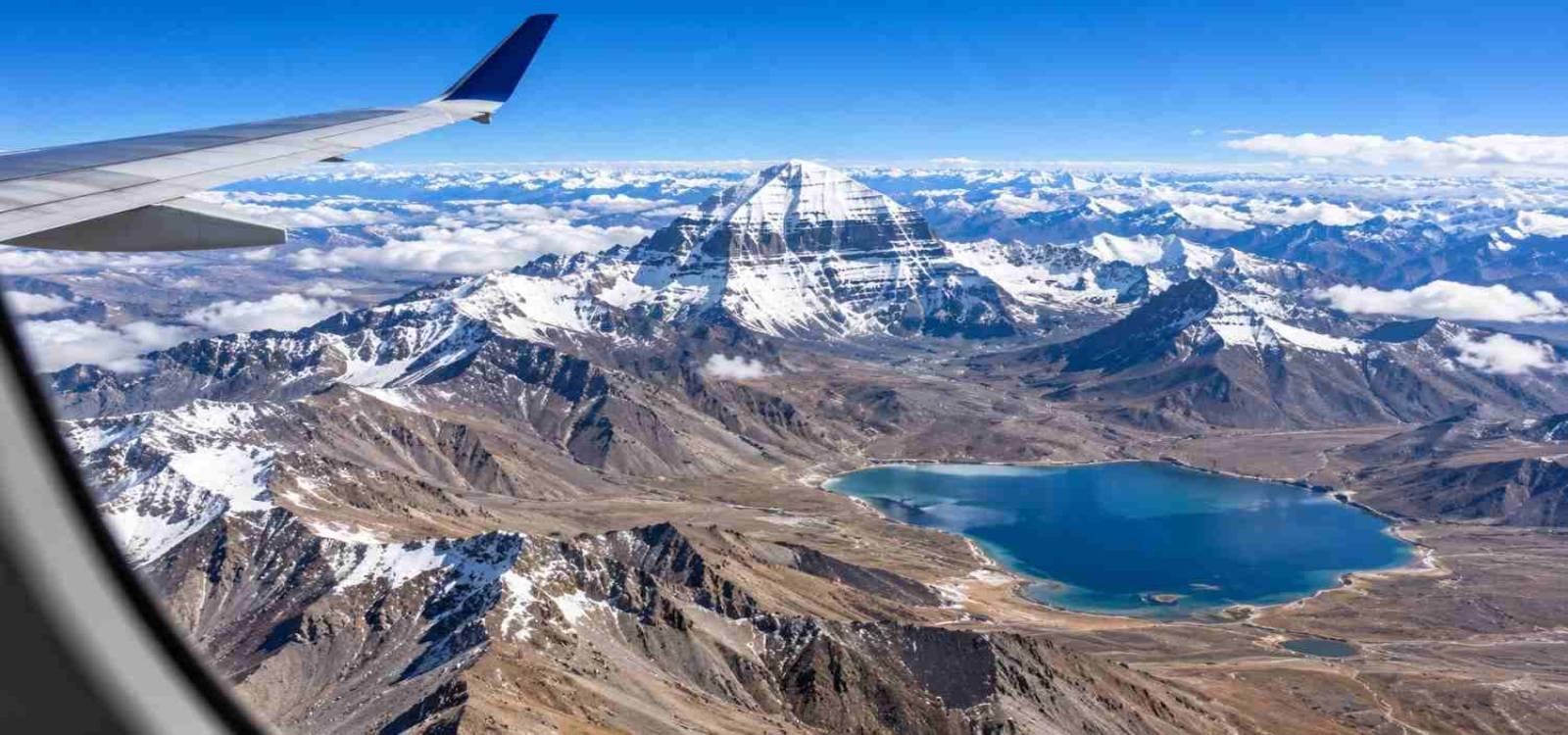
Not everyone can walk the Kailash Parikrama.
It is a tough trek at very high altitude, and many senior citizens, families and busy professionals cannot manage it. The aerial darshan was designed for them. You fly close to the sacred peak, look out of the window and carry the memory home for life. But what will you really see up there? If you are considering a Kailash Mansarovar Yatra package, understanding what aerial darshan offers can help you decide whether it suits your travel plans.
The Sacred Peak in Tibet and Why Pilgrims Travel So Far to See It
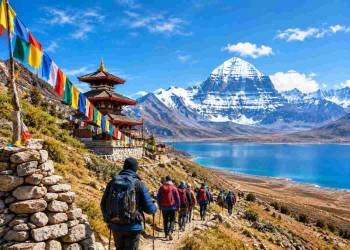
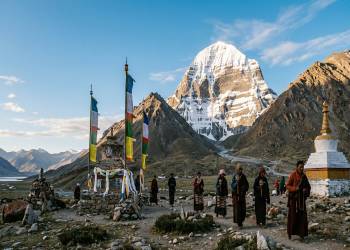
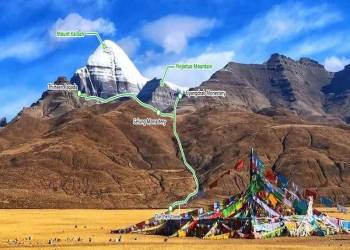
So, where is Mount Kailash located? It stands in the far west of Tibet, in the Ngari region, as part of the Gangdise range. Lake Mansarovar lies just to its south, and Rakshastal sits close by. Hindus, Buddhists, Jains and followers of Bon all hold the mountain sacred. For Hindus, it is the home of Lord Shiva. No one has ever climbed it, and it is treated as a place to bow before, not to conquer.
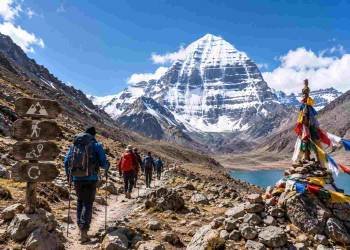
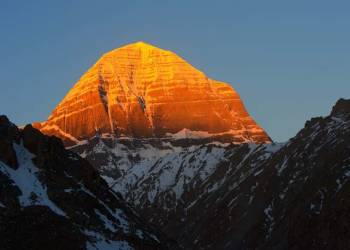
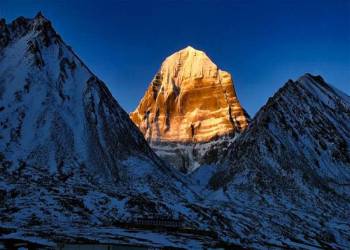
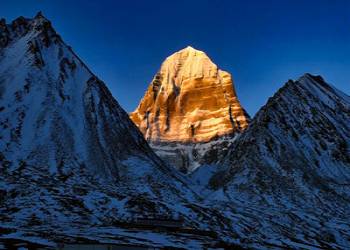
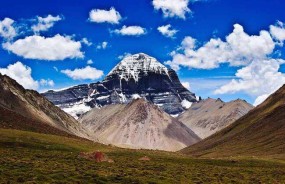
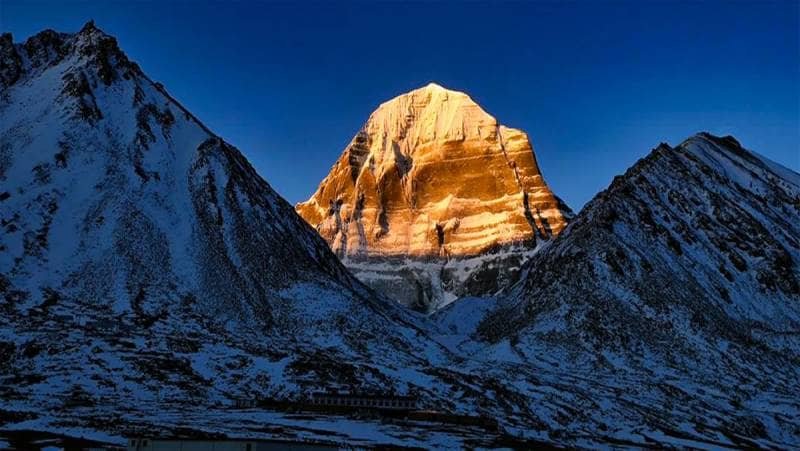
The Mount Kailash elevation is about 6,638 metres, or 21,778 feet. That is far lower than Everest, yet the shape sets it apart. It rises alone like a giant pyramid, with snow streaking down its dark rock sides.
You May Also Like: Top 4 Routes for Kailash Mansarovar Yatra from Nepal
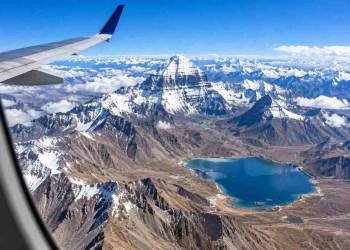
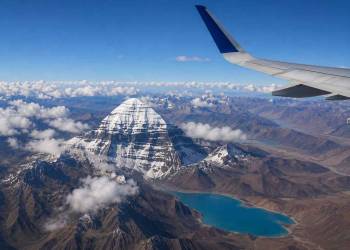
What You Can See During Kailash Aerial Darshan on a Clear Day
Weather decides everything here, but on a clear morning most pilgrims spot the following.
|
Sight |
How it looks from the air |
|
Kailash peak |
A dark pyramid capped with snow, standing apart from the hills around it |
|
Lake Mansarovar |
A wide, deep blue lake, roughly round, with pale shores |
|
Rakshastal |
A crescent-shaped lake that looks darker and quieter |
|
Gurla Mandhata |
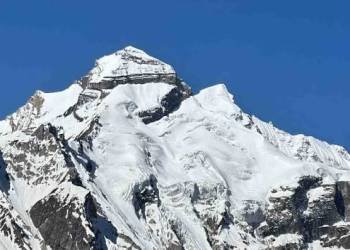
A large snow peak rising near the two lakes |
|
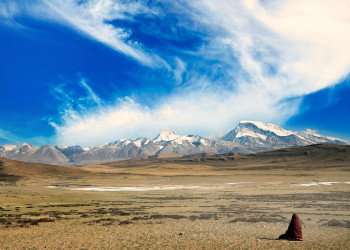
Tibetan plateau |
Dry brown land with few trees and thin silver rivers |
The first glimpse of the peak gives many people goosebumps. Some fold their hands without thinking; others simply go quiet. The pilot usually makes a slow pass so everyone gets a window view. Photos help, but the moment itself stays with you longer.
A Closer Look at Each Side of the Sacred Mountain
The Mount Kailash aerial view is special because you see the whole shape at once. From the ground at Darchen, you only get one side. From the air, the mountain slowly turns past your window, and each face shows its own character.
The four faces of Mount Kailash are linked with four colours in Tibetan tradition.
|
Face |
Traditional colour |
What stands out |
|
North |
Gold |
A sheer, smooth wall of rock |
|
East |
Crystal |
Said to shine like crystal in sunlight |
|
South |
Sapphire |
A vertical cleft with layered rock |
|
West |
Ruby |
Rises above the valley where the Parikrama begins |
The Mount Kailash north face is the most imposing, a clean steep wall that trekkers see from Dirapuk. The Mount Kailash south face carries a vertical cleft and horizontal bands of rock that many compare to a swastika. From the air, you get a real feel for how different they look.
How the Flight Works and What a Typical Package Includes
Many aerial darshan trips begin in Kathmandu or Nepalgunj. From there, you fly towards the far western hills on a chartered flight or helicopter. Exact routes and timings depend on the operator, the season and the day's weather, so plans can shift by a few hours.
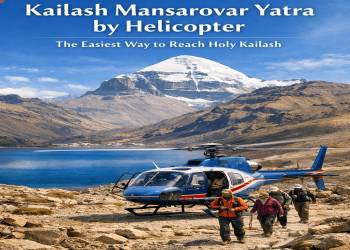
If you want more time near the mountain, a Kailash Mansarovar Yatra by helicopter can include landings on the Tibetan side. The aerial darshan is the lighter option, since you spend a short time in the air and avoid long stretches at altitude.
|
Feature |
What to expect |
|
Duration |
Short, usually a few days in total |
|
Starting point |
Kathmandu or Nepalgunj |
|
Time near Kailash |
Depends on the operator and weather |
|
Usually included |
Hotel stays, airport transfers, flights, helicopter or charter and guide support |
|
Best for |
Senior citizens, families and anyone short of time |
You May Also Like: Mount Kailash Parikrama Distance, Route & Weather Guide
Best Time to Go and Simple Tips for a Better View
May to September is the usual window, when skies are clearest, and flights run more often. Aim for a morning slot, because clouds tend to build later in the day. Sit by a window if you can, and keep your camera ready before the pass begins.
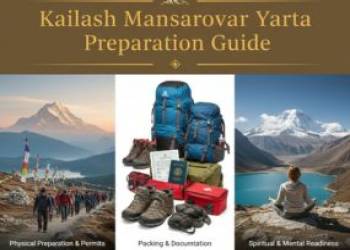
Pack warm layers, sunglasses and your regular medicines. Check your fitness with a doctor beforehand, as the region is at high altitude. Carry your passport or valid ID and confirm current entry rules at the time of booking.
Why Travel With Nepal Tourism Package for Your Kailash Journey
With four decades of experience in Himalayan travel, Nepal Tourism Package organises pilgrimage tours, mountain flights, helicopter charters and adventure holidays across Nepal and Tibet. As a trusted Nepal travel agency serving hundreds of pilgrims every year, we understand the planning and support required for a journey to Mount Kailash.
Our team includes experienced trekkers and mountaineers with first-hand knowledge of Himalayan routes. We provide round-the-clock assistance and help travellers coordinate their itineraries according to their schedules and comfort. Whether you are planning an aerial darshan or a longer pilgrimage, we work with you to arrange the travel details and make the experience more manageable.
Summary
Seeing Mount Kailash from above will not replace the full Parikrama, but it gives you a sincere darshan without the strain. You will spot the peak, the two lakes and the vast Tibetan plateau. Choose a clear season, an early flight and a trusted operator, and the sky will do the rest.
Frequently Asked Questions about
Kailash Mansarovar Aerial Darshan: What Can You Actually See From Above?