

Heart of the Himalayas: Kailash Mansarovar Yatra by Road
There are few journeys on Earth that transcend geography and enter the realm of the sacred. The Kailash Mansarovar Yatra is one such pilgrimage — a soul-stirring experience where faith, devotion, and nature converge. Taking the road route via Nepal adds a distinct flavor to this odyssey — one that is rugged, raw, and deeply rewarding.
There are few journeys on Earth that transcend geography and enter the realm of the sacred. The Kailash Mansarovar Yatra is one such pilgrimage, a soul-stirring experience where faith, devotion, and nature converge. Taking the road route via Nepal adds a distinct flavor to this odyssey, one that is rugged, raw, and deeply rewarding.
A Road That Awakens the Spirit
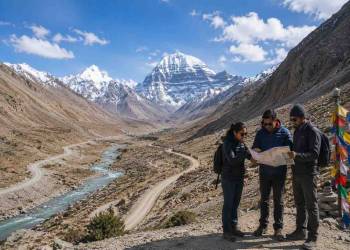
Beginning in the lush valleys of Nepal, the journey by road gradually unravels into high-altitude deserts, ancient passes, and Himalayan panoramas that seem straight out of mythology. It’s a slow, deliberate immersion into one of the most spiritually charged regions on the planet.
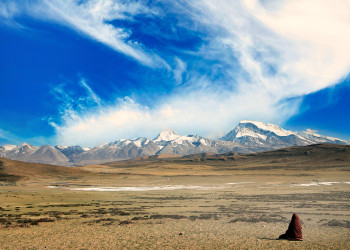
Crossing from Nepal into Tibet (China), the shift in landscape is as dramatic as the shift in altitude. What starts as a drive through green hills and lively mountain towns soon becomes an ascent into stark, windswept plains under an endless sky. The route is not just a path through terrain — it’s a passage through time, where ancient trade trails and spiritual footpaths intersect.
Mount Kailash: The Axis of the World
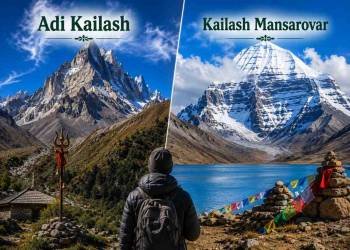
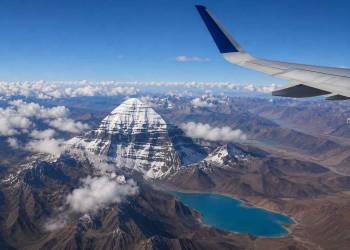
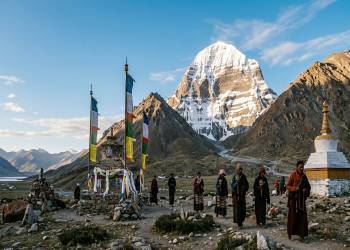
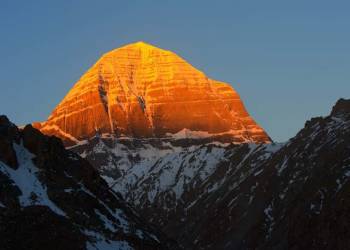
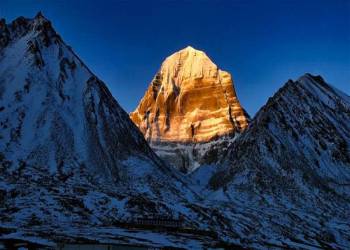
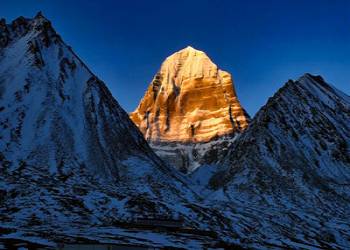
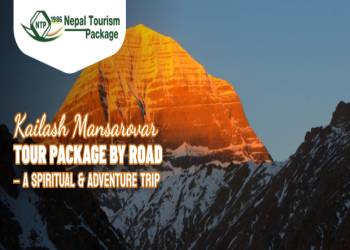
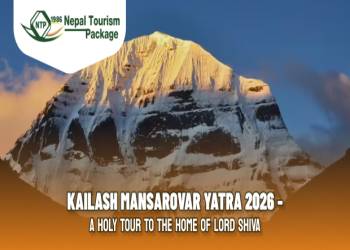
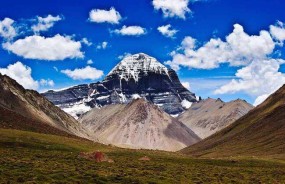
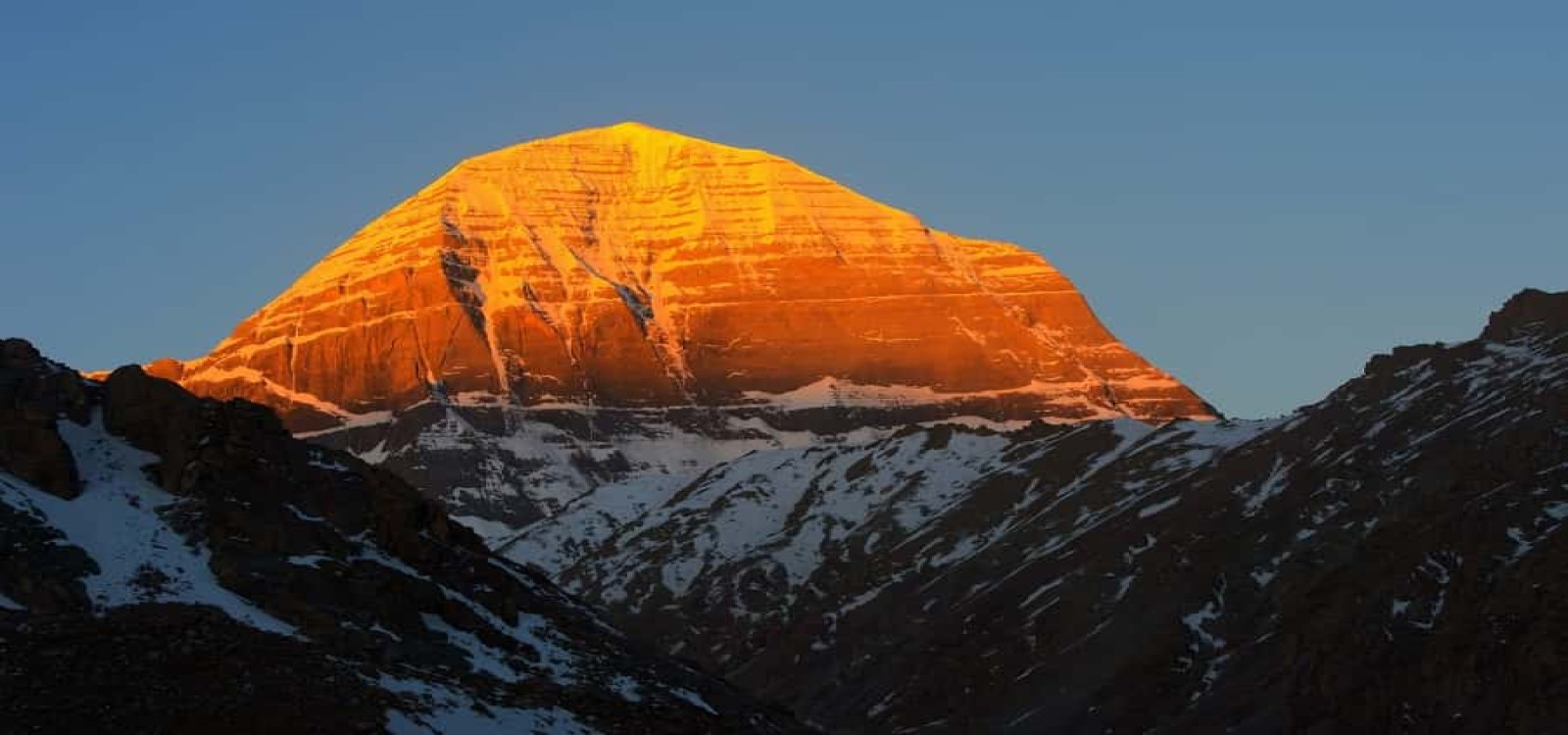
The first glimpse of Mount Kailash, standing alone with its flawless symmetry and snow-capped brilliance, is often met with silence. Pilgrims say that the mountain doesn’t just appear, it reveals itself to those ready to receive its energy.
Hindus believe Lord Shiva resides here in eternal meditation. For Buddhists, it is the abode of Demchok, the embodiment of supreme bliss. Jains revere it as the site where Rishabhdev attained liberation, and Bon followers see it as the seat of spiritual power. Regardless of belief, the mountain inspires profound reverence — no one climbs it; no one dares. It's sacred not because it's tall, but because it's untouched.
The Sacred Waters of Mansarovar
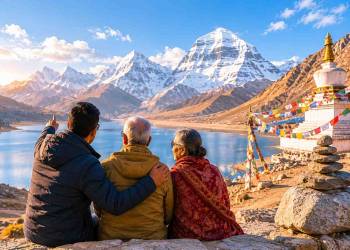
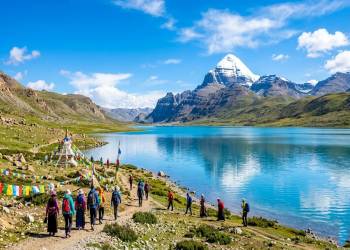
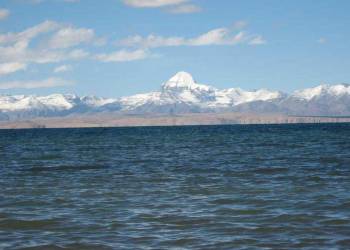
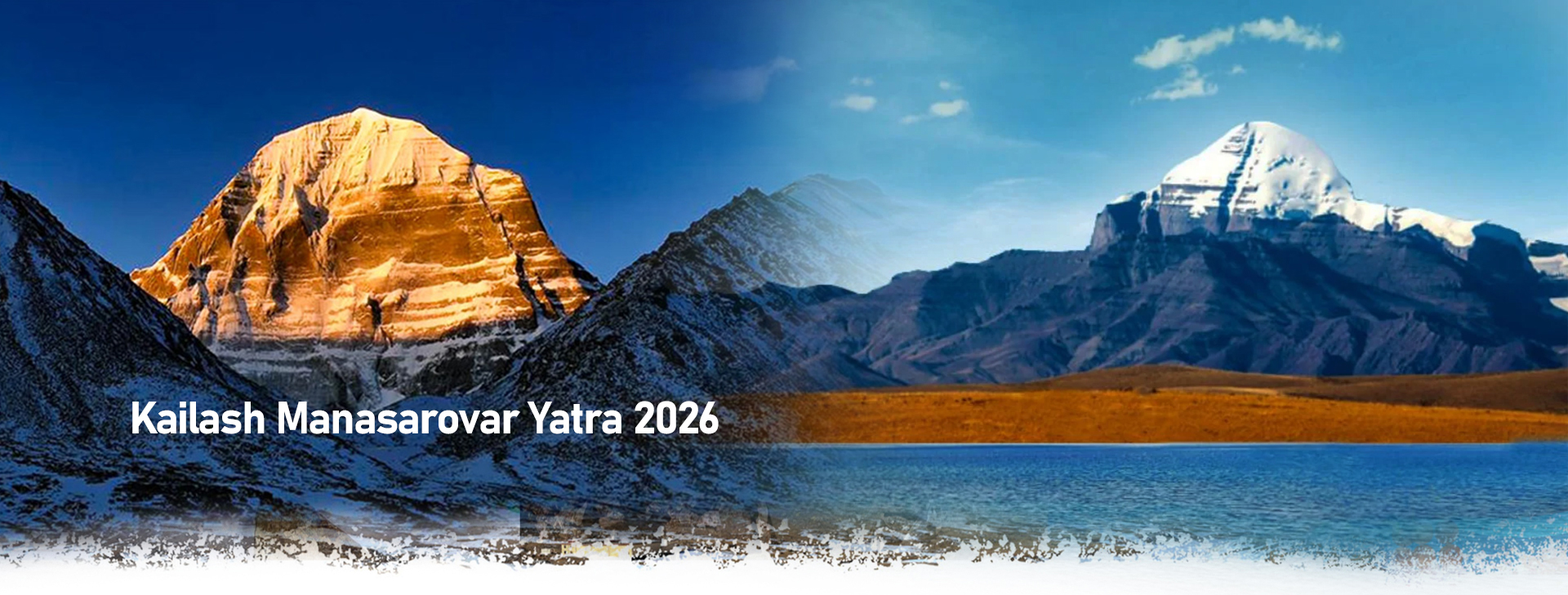
Just 30 km from Kailash lies Lake Mansarovar, shimmering under the wide-open Tibetan sky. Considered one of the highest freshwater lakes in the world, its stillness has a magnetic pull. Pilgrims often walk around its banks, offer prayers, meditate, or take a ritual dip in its icy waters. According to Hindu mythology, the lake was first conceived in the mind of Brahma, making it a reservoir of divine consciousness.
Even if you choose not to bathe in its glacial chill, sitting quietly by its shores is a spiritual act. The reflection of Kailash on Mansarovar’s surface feels like nature’s own prayer.
You May Also Like: Mount Kailash Spiritual Significance Explained
Beyond the Physical Journey
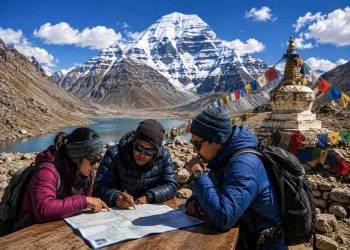
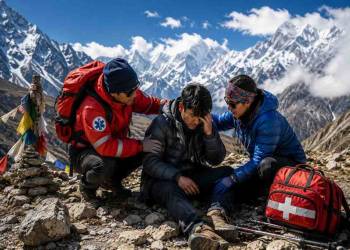
Kailash Mansarovar Yatra by Road via Nepal isn’t a luxury vacation. It tests you — physically, emotionally, spiritually. Accommodations are basic. The roads can be rough, and altitude sickness is a real concern. But these challenges are also part of the purification.
On this journey, you learn to let go — of control, expectations, and comfort. You learn to accept each moment as it comes. Conversations with fellow yatris, shared cups of ginger tea, silent prayers in windswept monasteries — all become part of the sacred rhythm.
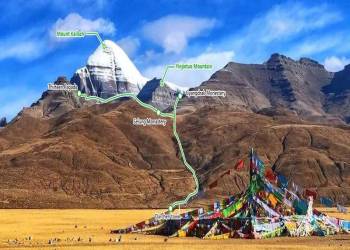
And then there is the Kora — the parikrama or circumambulation of Mount Kailash. Spanning over 50 km and reaching altitudes over 18,000 feet, it is not a trek — it’s a moving meditation. Every step is a surrender. Every breath, a prayer. Some walk it. Others prostrate through the entire circuit. Everyone is transformed.
Nepal: More Than a Transit Point
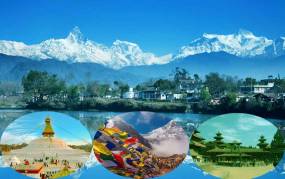
Passing through Nepal adds a rich cultural and spiritual texture to the Yatra. The hospitality, the warmth of the people, and the blend of Hindu and Buddhist traditions you encounter along the way serve as a gentle initiation into the sacred. Towns like Kathmandu and Simikot may serve as logistical stops, but their ancient temples and vibrant energy make them spiritual gateways in their own right.
A Journey Within
The road to Kailash Mansarovar via Nepal is not about ticking off a destination. It’s about peeling back the layers of the self. By the end, you may return to the same world, same routines, same people, but something within you will have shifted.
The dust on your shoes will fade. The altitude headaches will pass. But the silence of Kailash, the reflection in Mansarovar, and the stillness you found within — those stay with you.
Frequently Asked Questions about
Heart of the Himalayas: Kailash Mansarovar Yatra by Road