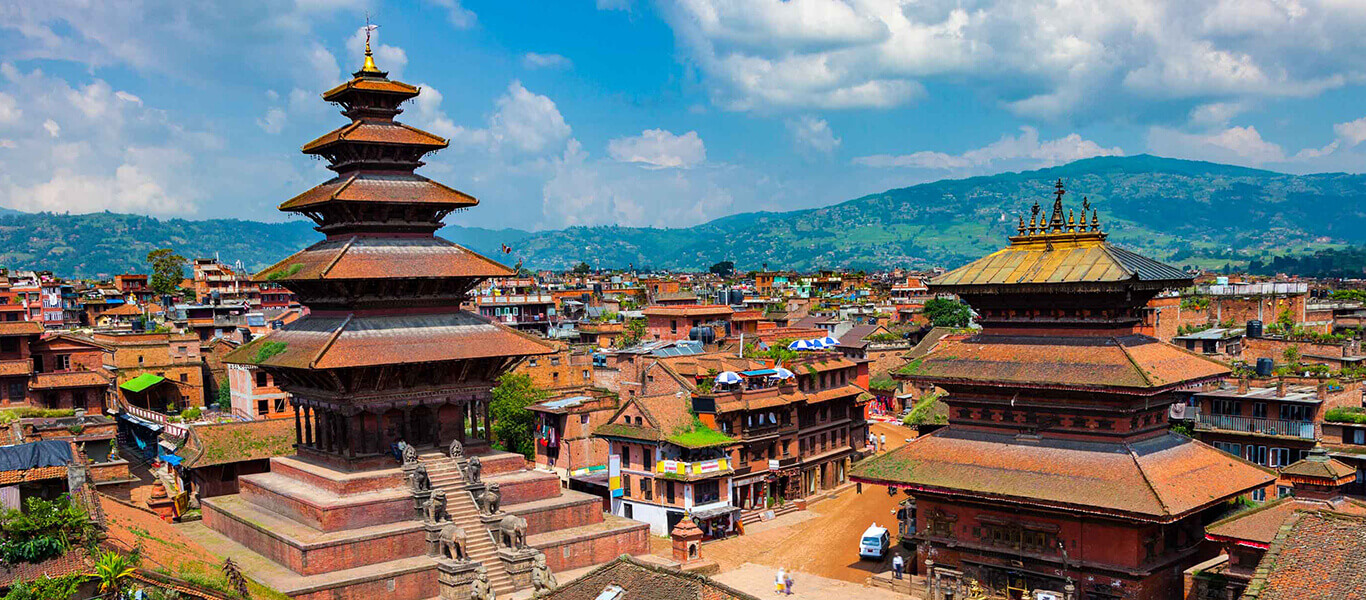
Top 7 Reasons To Visit Pashupatinath Temple

Comments (0) Post a Comment

Top 7 Reasons To Visit Pashupatinath Temple

One of the most sacred pilgrimage sites in the world and one of Nepal’s most important spiritual landmarks, Pashupatinath Temple attracts millions of visitors from across the world. Situated near Kathmandu, along the banks of the sacred Bagmati River, this holy site is dedicated to the worship of Lord Shiva in his sacred avatar of Pashupatinath, who represents the Protector of All Living Beings. 


A visit to Pashupatinath can be an enriching and meaningful travel experience. Many tourists often opt for the Kailash Mansarovar package and the Muktinath package, and include this site for darshan and puja as part of completing the entire pilgrimage circuit.


This article offers a complete overview of why visiting Pashupatinath should be on your bucket list, along with choosing the best Pashupatinath yatra package to ensure your travel experience is smooth and enriching.


Mythology and the Sacred Story behind Pashupatinath


The Pashupatinath Temple story is deeply rooted in Hindu mythology. It is believed that Lord Shiva and Goddess Parvati once visited the Bagmati River region and were so captivated by its natural beauty that they transformed into deer and lived there. Later, when divine forces attempted to bring Lord Shiva back to his original divine form, a sacred horn broke during the process. It is believed that the holy Shiva linga was later discovered at this sacred site, which led to the establishment of the temple. This story adds deep spiritual meaning to the temple and attracts devotees from across the world.


Here are the top 7 reasons to visit the Pashupatinath temple.


1. UNESCO Heritage Temple Complex and Sacred Setting


The whole temple complex is sprawled on both sides of the Bagmati River and is regarded as Nepal's largest and holiest Hindu temple area. It was declared a UNESCO World Heritage Site in 1979, which recognised the cultural, historical, and religious significance of the temple complex. To many visitors, this entire complex is like a living spiritual museum, where history and devotion come together.

2. Special Place on the Holy Bagmati River


Pashupatinath Temple lies on the banks of the Bagmati River, a spot of great spiritual significance. Devotees come to this place to perform rituals, cremation ceremonies, and prayer offerings.


The riverfront ghats reflect the cycle of life and death, thus giving a deeply philosophical and spiritual experience to the visitors. The temple complex also includes nearby sacred sites like Guheshwori Temple, one of the important Shakti Peeths.


3. Nepali Pagoda-Style Temple Architecture


The architectural style of Pashupatinath Temple is a work of great aesthetic beauty, offering a reflection of traditional Nepali architecture in pagoda style. The main temple stands on a square platform and features a two-tier roof made of copper, covered with gold plating. The main spire is gilded, and the temple doors are covered with silver sheets, showcasing royal craftsmanship and artistic excellence. Inside the temple, there is a sacred area called the sanctum that contains the major Shiva linga. 


4. Sacred Symbolism of the Pashupatinath Shiva Ling


Another very unique feature of this temple is the holy Mukhalingam in the sanctum sanctorum (Garbhagriha). As mentioned earlier, this Shiva lingam has multiple faces, each representing different forms and energies of Lord Shiva. 


The multiple countenances are symbolic, depicting elements in the universe. They reflect Hindu spiritualism and its depth in understanding life and the universe.


Unlike many other Shiva temples, the Pashupatinath linga is usually covered with sacred cloth and is only fully visible during special rituals. This adds to the temple’s uniqueness and spiritual importance.


5. Miniature Shrines, Sculptures, and Artistic Heritage


The temple complex is filled with smaller shrines dedicated to various Hindu deities. Visitors can see numerous miniature Shiva temples, stone statues, and intricate wooden carvings that reflect Nepal’s ancient craftsmanship and artistic traditions.

Many shrines display symbolic depictions of Lord Shiva’s different forms, which include protective and powerful forms. 

For art lovers and culture enthusiasts, this architectural richness becomes a major highlight during a Pashupatinath Temple tour.


6. Divine Evening Aarti Experience


One of the most enchanting experiences during a tour to Pashupatinath Temple is the evening aarti, where thousands of devotees congregate at the riverbank to witness the aarti. The experience is ostensibly an exhilarating and uplifting one, leading one to feel a deep sense of spiritual fulfillment.

If you are planning to visit Pashupatinath Temple, make sure that your package includes visiting the temple in the morning as well as in the evening.


7. Part of Major Nepal Pilgrimage Circuits


Also, most travelers plan their tour along with other sacred trips. Pashupatinath package tours can be combined with:

  • Kailash Mansarovar
     
  • Muktinath
     
  • Kathmandu Temple Tours

These pilgrimages provide a complete spiritual round for travellers.


Also Read: Visit Nepal's Famous Temples with By Nepal Tourism Package


Best Time To Visit Pashupatinath

The best time to visit Pashupatinath is during:

  • September to December – Pleasant weather and clear skies.
     
  • March to June – Comfortable Weather and Traveling Conditions

Occasions like Maha Shivratri and the holy month of Sawan are also considered highly auspicious but may be crowded.


Why People Choose Nepal Tourism Package?


Nepal Tourism Package has been operating for travelers since 1986 and provides a variety of holiday and pilgrimage tours. We offer customised Nepal tours with private transportation, expert guides, and comfortable stays, making travel easy for families and pilgrims. 


Our packages include a variety of Nepal trips, such as scenic Nepal trips, trekking tours, and religious tours like Muktinath and Kailash Mansarovar.


Our Pashupatinath Temple tour package includes visits to Pashupatinath Temple and Guheshwori Temple, where travelers can witness morning rituals, evening aarti, and temple darshan with proper guidance. Travelers also get time to explore markets and spiritual surroundings. 


We design packages to provide spiritual comfort, easy temple access, and complete travel assistance from arrival to departure, making us the most trusted by travellers because of our experience, flexibility, and strong expertise in pilgrimage tours. 


Conclusion


Pashupatinath Temple is one of Nepal’s most sacred and spiritually enriching destinations, offering visitors a deep connection to ancient traditions, divine rituals, and timeless cultural heritage.

With options ranging from spiritual to cultural and a curated Nepal Tourism Package for family, a complete travel support, including transport, stays, guided temple visits, and pilgrimage assistance, is provided by Nepal Tourism Package. So, what is the wait about? Explore our range of packages and book with us today! 


FAQs


1. How long does a Pashupatinath temple tour last?


A simple temple tour will take 3-4 hours, but most people visit it as part of a 1-2 day as a part of complete Nepal tour packages.


2. Is Pashupatinath included in Nepal family tour packages?


Yes, many Nepal Tour Packages for families include Pashupatinath Temple as part of other Kathmandu sightseeing.


3. Can I visit Pashupatinath along with Kailash or Muktinath Yatra?


Yes, you can choose a pilgrimage tour that includes Pashupatinath darshan along with Kailash Mansarovar or Muktinath Yatra.


Enquiry Now