Historical background of Nepal
The Name Nepal
When history of anything discussed then the first point that comes in the mind is that from where the word derived. In case of history of Nepal this is the controversy theory, as per some manuscripts the word Nepal came from Sanskrit word “Nipalaya” which actually means “at the foot of the mountain”. While some of theories say that it came from Tibetan Niyampal that means “holy land”. As per the third interesting theory in an ancient time lots of wool used to produced in Nepal and that wool was stored in house hence the name Nepal was derived from the combination of two words NE- means wool and PAL- means a tented house. The fourth theory about the name of Nepal is it comes from the Sanskrit word NEP and followed by the suffix AL. NEP were cow herders which usually famous with the name of Gopals in ancient time.

Early history
Rule of Kiratis was responsible for making history of Nepal, as per the history the time period of ruling Kiratis was 1225 years it means from 800 BCE to 300 CE. In Kirat period total 29 kings ruled at that time. The 1st Kirata king was Kushal, the foundation of Kirata dynasty was laid by this king. The 7th Kirata king was Jitedasti, during his ruling period Lord Gautam Buddha visited at his kingdom, Kirata refused to follow doctrine of Lord Buddha but he did welcome of Lord Buddha and his disciples. 14th Kirata king was Sthunko, during his ruling period Great Ashoka visited to the Kathmandu Valley along with her daughter. It is said that he built four stupas in four directions around Patan and one in the center. 15th Kirata king was Jinghri, during his period disciple of Mahavira Jaina visited at Nepal but Jainism was not able to gain popularity like Buddhism. 29th and last Kirata king was Gasti he was the weak ruler and also responsible for ending Kirata dynasty.
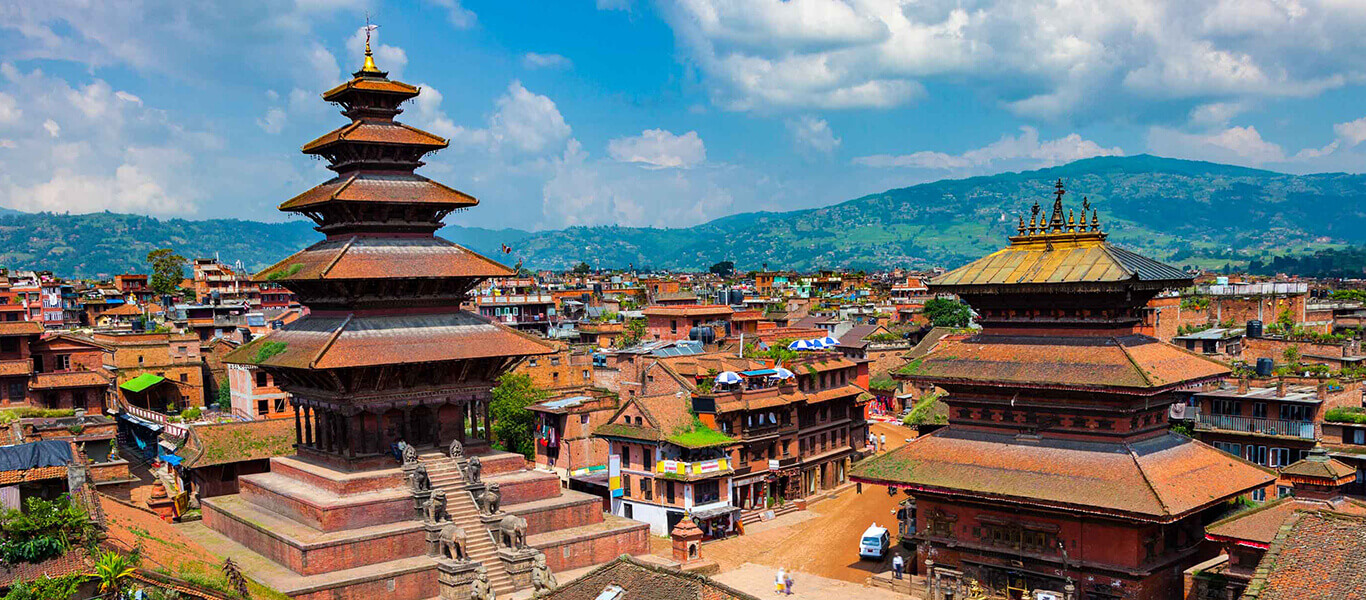
In 3rd century caste system and Hinduism replaced Buddhism by Licchavi which was over take by Thakuri dynasty in 879 AD. Thakuri dynasty is also known as Rajput dynasty, Rajput kings ruled up to middle age of 12th century. During the ruling period of Thakuri dynasty there was a famous king named Gunakam Deva his ruling period was 949-994 AD. During his period Kasthamandap was built, from which Kathmandu name derived. After Gunakam Deva, Laksmikama Deva rule over the Nepal, his ruling period was from 1024 to 1041 AD. During his period a virgin girl called Kumari and he also start a custom of worshiping Kumari. Next ruler was his son Vijaykama Deva, he start the worship of Vasuki and Naga during his period.
The Malla period (1200-1769), Shah period (1769-1846) and Rana period (1846-1951)
After Thakuri Dynasty the Nepal was ruled by Malla Dynasty which started with Ari Malla. He expanded his kingdom within the time period of next two centuries. At the end of 14th century the king named Jayasthiti Malla start ruling over the Nepal. His ruling period was short but he did various economical and social reforms which was called Sanskritization. He introduced new method of land allocation and measurement. Next ruler was grandson of Jayasthiti Malla named Yaksha Malla, his ruling period was till the end of 15th century. After his ruling period the whole valley was divided in to three kingdoms named Kathmandu, Patan and Bhaktapur. This division was happen around 1484 AD. Each kingdom has its own Malla ruler Jaya Prakasha Malla ruled over Kathmandu, Teja Narasingha Malla ruled over Patan, and Ranjit Malla ruled over Bhaktapur.
Next dynasty was Shah Dynasty from which the history of modern Nepal begun. The name of the ruler was Prithvi Narayan Shah whose time period was 1769 to 1846. The ruling period of shah kings is also called Unification of Nepal. Prithvi Narayan Shah established a new Nepal country in unified form. He unified all small principalities and also three major kingdoms which were divided during Malla period under one nation and then Kathmandu was declared as the capital of Nepal. After shah dynasty Jung Bahadur Rana ruled over the Nepal, his ruling period was from 1846 to 1951. He was the first Prime Minister of Nepal. King of Rana Period was supported by British and this is the period during which Shah Kings were sat on the throne without any power of ruling.
From 1951 onward
After World War II ruling power again came in hands of Shah Kings. First election was held in 1959 and a new government was made. King Mahendra banned this new government and took the charge of the country in his hand. In May 1991 again election was held, this time this was the parliamentary elections which was held after the acceptance of king for reformation of constitutional.
For next ten years politics was not stable in the country. In June 2001 Royal Massacre happened and King Gyanendra was crowned as new king of the country. In October 2002 Maoist dismissed the government of the king by saying it inefficient and corrupt and took all charges in his own hand. In November 2006 a peace agreement was signed by political parties. In 2008 again elections were took place and then Nepal was declared Federal Democratic Republic.